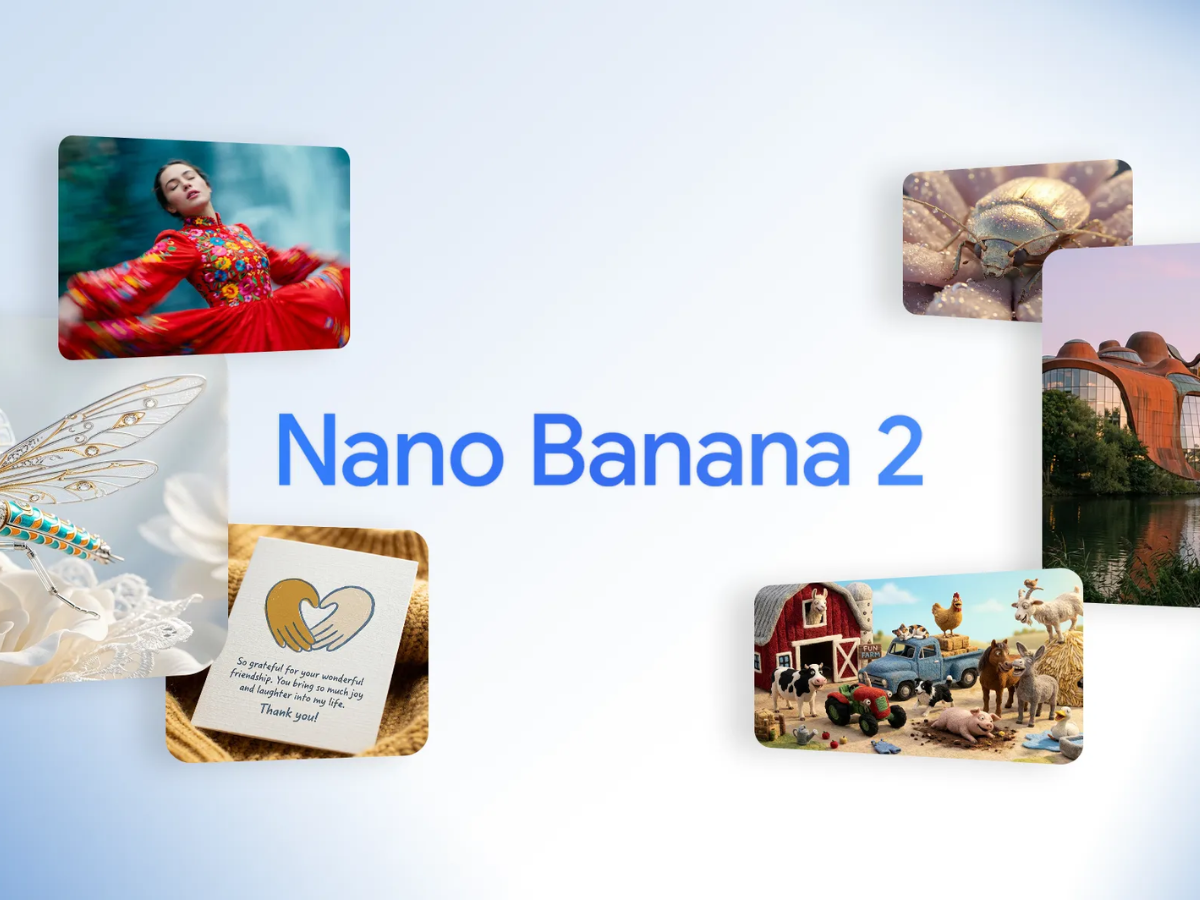
Google has introduced the latest version of its image generation model called Nano Banana 2. Officially named Gemini 3.1 Flash Image, this new model promises faster image production while providing higher visual fidelity and is now becoming the default image model within the updated Gemini application.
The original Nano Banana was released in August 2025 and quickly gained popularity by producing millions of images within Gemini. A more advanced Nano Banana Pro version followed in November. Nano Banana 2 now combines much of the visual quality of the Pro model with significantly improved performance.
Nano Banana 2 Offers Faster Production and High Resolution Support
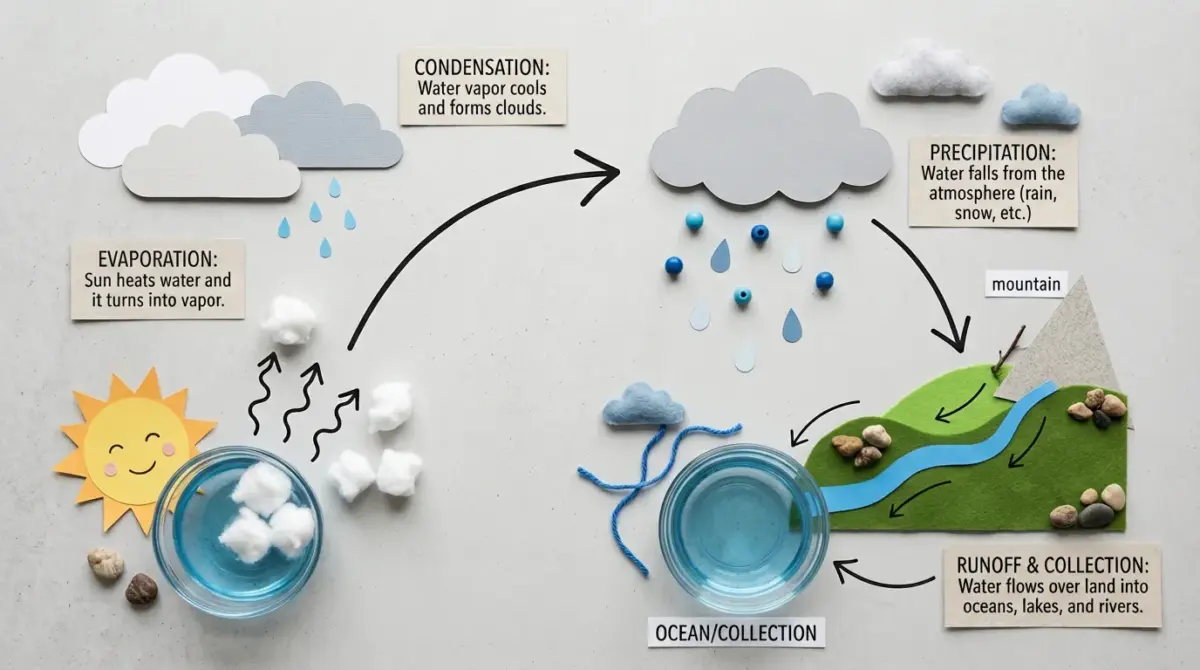
According to Google, Nano Banana 2 can produce images from 512px to 4K resolution and supports multiple aspect ratios.
The company states that the model offers:
- More realistic lighting and rich textures
- Sharper fine details
- Improved character consistency for up to five characters
- Better object fidelity for up to 14 items in a single workflow
Google also notes that the model works better with complex, nuanced prompts and makes it easier to maintain consistent storytelling across a range of generated images.
Nano Banana 2 Becomes the Default Image Model for Gemini
Nano Banana 2 is becoming the default image generation model among the Quick, Thoughtful, and Pro modes of the Gemini application.
It is also now the default image model for:
- Google's video editing tool Flow
- Google Lens results
- AI Mode in Google Search across 141 countries
- Google app on web and mobile
Those subscribed to Google AI Pro and Ultra plans can continue to access Nano Banana Pro for more specialized image works through the three-dot menu.
Developers' Access to Nano Banana 2 and Watermarking Tools
For developers, Nano Banana 2 is available as a preview on the following platforms:
- Gemini API
- Gemini CLI
- Vertex AI
- AI Studio
- Google's Antigravity development tool
All images produced with Nano Banana 2 include Google's SynthID watermark to indicate their AI origin. Google is already using SynthID with Lyria 3 (AI music producer) within Gemini. Images can also work with C2PA Content Credentials, which is an industry standard supported by companies like Adobe, Microsoft, OpenAI, and Meta.
According to Google, the SynthID verification within the Gemini application has been used more than 20 million times since its launch.
Nano Banana 2 represents another step in Google's effort to integrate generative AI more deeply into consumer and developer products, providing clear labeling for AI-generated content.

Yorumlar
(10 Yorum)