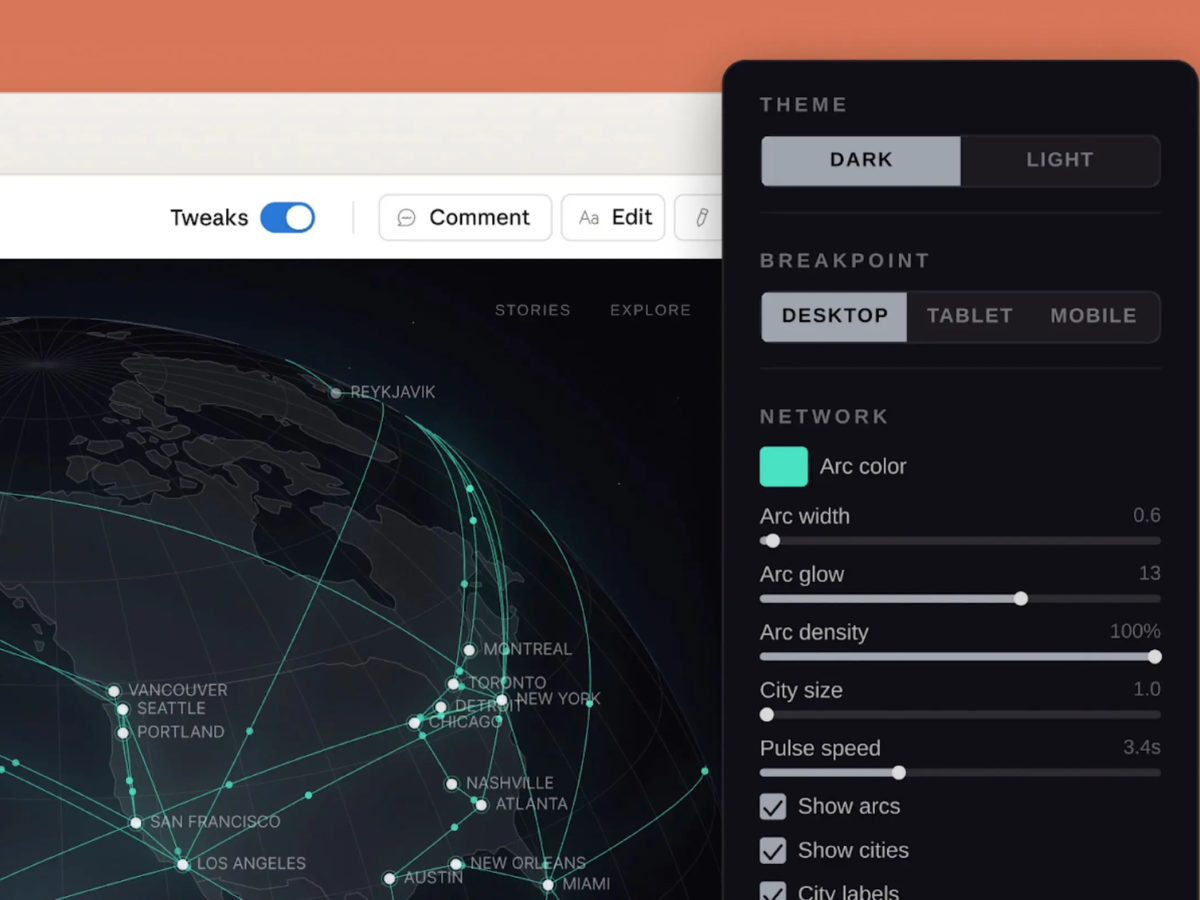
Anthropic introduced Claude Design, which creates visual assets through text-based conversational prompts. This feature, built on Claude Opus 4.7, is accessible to Pro, Max, Team, and Enterprise subscribers via the palette icon in the left navigation panel on Claude.ai.
The use of Claude Design is tracked separately from standard Claude chat and Claude Code limits. Subscribers have individual weekly allowances alongside the existing limits. Enterprise users, who are billed based on usage, receive a one-time credit covering approximately 20 typical prompts, which expires on July 17.
What Claude Design Can Create
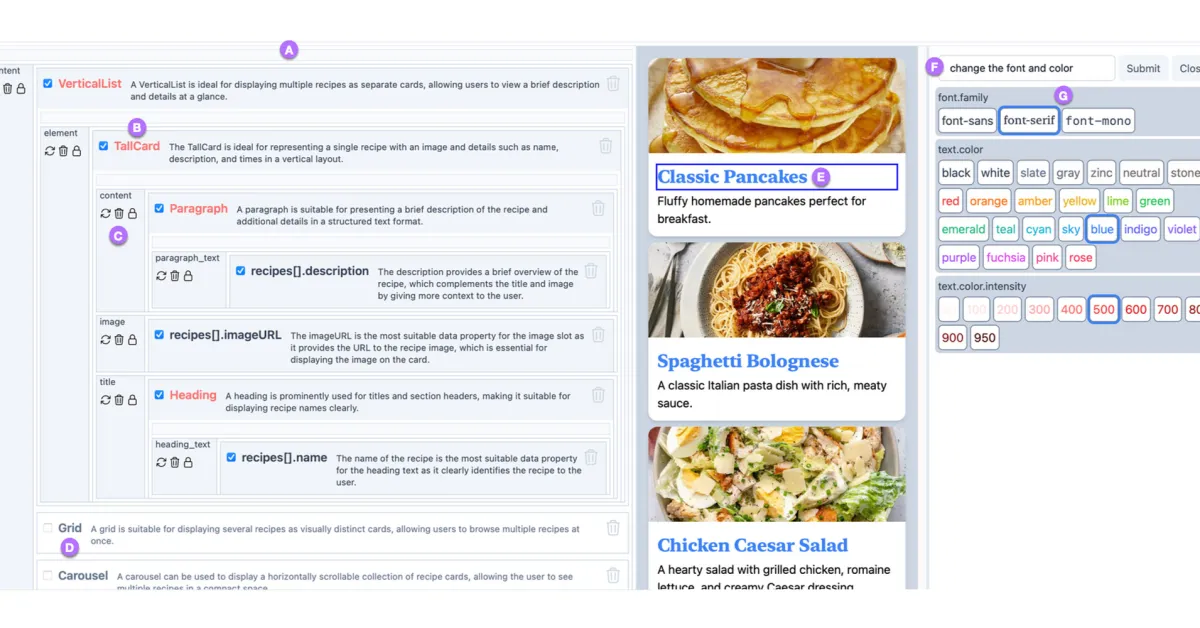
According to Anthropic, Claude Design is designed for creating design prototypes, product wireframes and mockups, exploring design ideas, preparing presentations and pitch decks, and developing marketing materials. Users express their needs in text, and Claude Design produces the initial version.
Subsequent conversations, inline comments, direct edits, or custom sliders created by Claude during the session can be used to make adjustments. Completed designs can be exported as a ZIP archive, PDF, or PPTX file, or sent directly to Canva, HTML, or Claude Code.
Using Claude Design's Design Systems and Usage Limits
Users can configure a personal design system by providing links to GitHub repositories, local code files, uploaded Figma files, font and logo folders, and text notes. Once configured, new projects automatically inherit style information instead of starting from default settings each time.
Shares of design software company Figma fell by about 7% following the announcement. Anthropic did not comment on how Claude Design compares to other AI design tools like Figma or Lovable. Claude Design is currently available as a research preview. Anthropic has not provided a timeline for the general release or any changes to the existing usage limits.













Comments
(9 Comments)