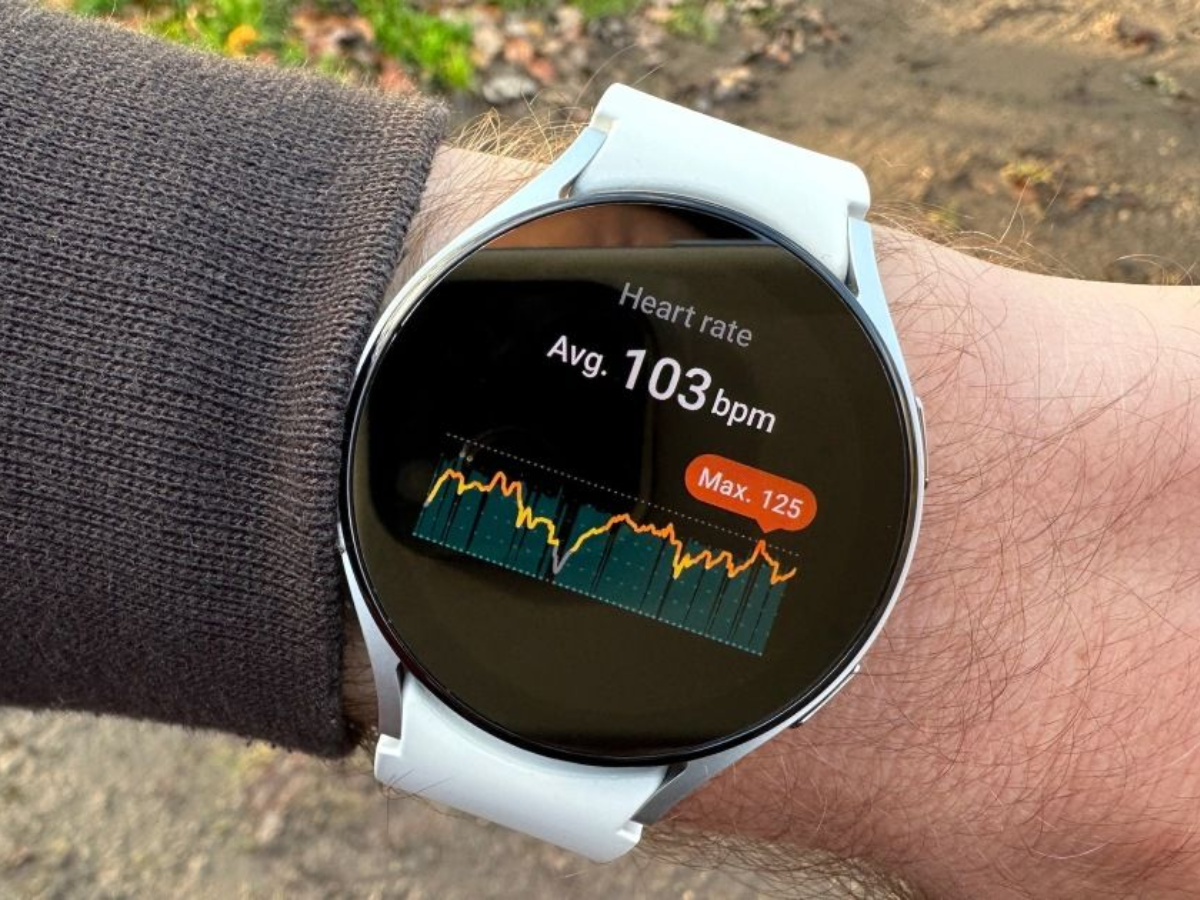
Samsung has started to roll out the blood pressure monitoring feature for the Galaxy Watch 4 and later models in the United States. Samsung classifies this feature as a health tool, not a medical device.
This feature is being gradually distributed, as explained in a Samsung blog post published today. To use the blood pressure monitoring feature, the watch must be running WatchOS 4.0 or a newer version, and the paired smartphone must be on Android OS 12 or a newer version.
Calibration of Arm Cuff for Galaxy Watch Blood Pressure Monitoring
This feature does not work on its own. Users need to have a traditional upper arm blood pressure cuff to calibrate the watch's sensors. Samsung states that calibration should be done during the initial setup and then every 28 days. The first calibration must be done through the Samsung Health Monitor app.
The watch establishes a baseline for its internal sensors using readings taken from the cuff. Without a compatible cuff and completed calibration, the watch cannot track blood pressure; this is independent of the model or software version.
Passive Monitoring Plans and Supported Galaxy Watch Models
Once calibrated, you can receive blood pressure readings directly from the watch. To do this:
- Go to the main screen, swipe left to reach the Blood Pressure widget, and tap on Measurement.
- Follow the on-screen instructions and tap OK.
- Sit still while the watch measures your blood pressure and avoid talking, then tap OK.
Samsung announced plans to release a passive blood pressure monitoring tool later this year. This device is designed to display blood pressure trends over time without requiring manual readings. Samsung did not provide a specific release date.
Compatible models include the Galaxy Watch 4 and all subsequent Galaxy Watch models running WatchOS 4.0 or newer. Samsung did not specify which upper arm cuff models can be calibrated with the device or whether third-party cuffs are supported with Samsung's own hardware.










































Comments
(7 Comments)