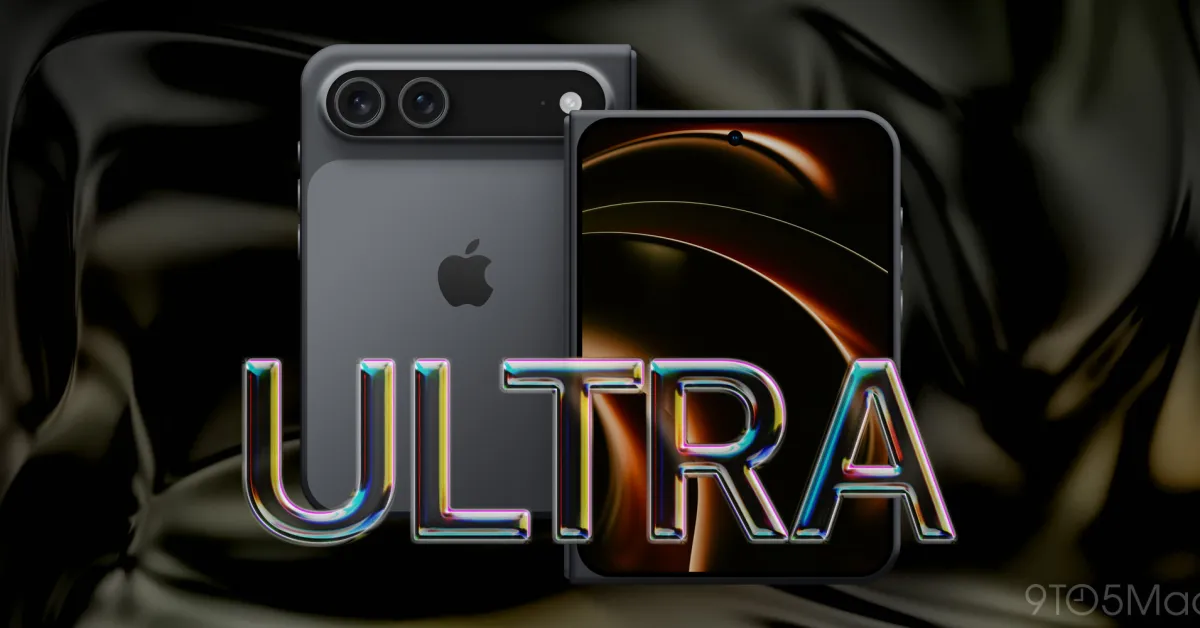
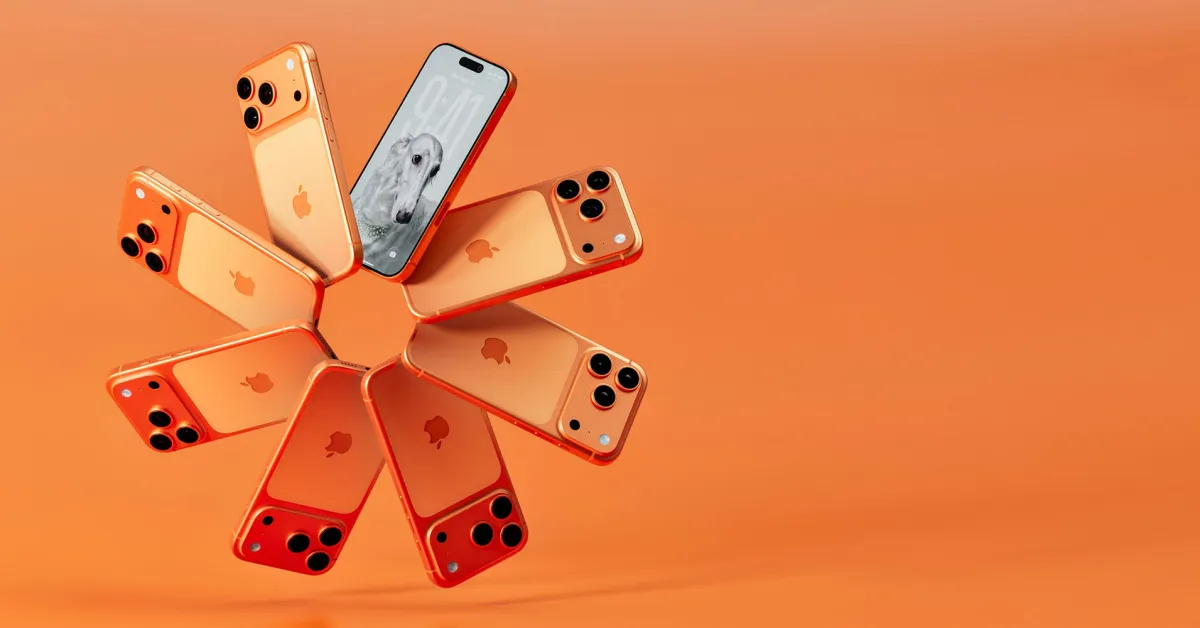
It is believed that Apple has been waiting for many years to launch its first foldable iPhone. A significant part of this was the company's dissatisfaction with the very noticeable bend in competing models. This foldable iPhone is expected to be released later this year, likely under the name iPhone Ultra.
The bend issue was reportedly resolved last year, but a new report suggests that multiple innovations are required to make the bend nearly invisible, one of which is high-tech adhesive.
Solving the Visible Bend Issue
Early foldable smartphones had a very noticeable bend. It was reported that the Cupertino-based company considered this unacceptable for an iPhone and rejected many examples provided by Samsung to solve this problem. They then involved their own designers in addressing the issue.
Apple is believed to be using a range of different approaches to minimize the visibility of the bend, and the supply chain market intelligence firm TrendForce shared the expected elements with us. Some of these had already been outlined by Apple patents.
Curvatures arise from the misalignment of the neutral layer in the panel structure. This creates local tensile stress, which can lead to micro-cracks or permanent deformation under stress concentration. The fundamental solution lies in the precise control of stress distribution in a multilayer structure and the positioning of the neutral layer.
In next-generation foldable devices, ultra-thin glass (UTG) is no longer just a surface protection layer. As stated in Apple’s patents, variable thickness design and chemical reinforcement allow the folding area to be locally thinned at the bending axis while keeping the non-folding regions at a greater thickness.
High-Tech Adhesive in a Key Role
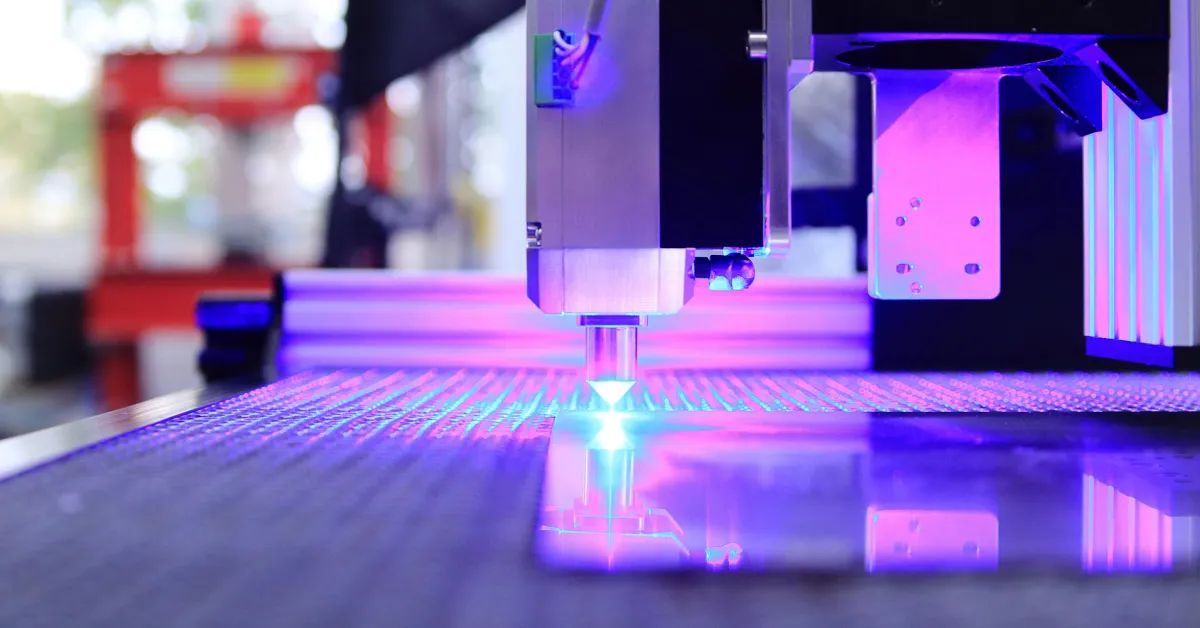
However, TrendForce suggests that the most critical factor is a sophisticated type of adhesive. This adhesive is said to remain liquid enough to fill microscopic irregularities that would otherwise become visible bends.
The fundamental breakthrough for foldable screens in 2026 lies in the evolving role of optically clear adhesive (OCA). No longer limited to just a bonding function, OCA exhibits significant viscoelastic properties thanks to optimized module design and material composition.
The elastic modulus determines a material's resistance to deformation under stress, so an optimized OCA has the ability to dynamically modulate the panel's mechanical response. It remains soft during slow bending and reduces fatigue stress; under sudden external forces, however, it temporarily increases to provide local structural support.
Using these mechanisms, OCA helps stabilize the neutral layer and significantly reduce stress concentration during folding. Its ability to fill microscopic irregularities that develop over prolonged use further minimizes visible bends by reducing light scattering.
The company believes that Apple will achieve approximately a 20% market share in the foldable smartphone market this year.
- Official Apple Store on Amazon
- Apple's iPhone cases: iPhone 17 | iPhone 17 Pro and Pro Max | iPhone Air
- Wireless CarPlay adapter (2026 update)
- AirTag holders and accessories
- Mac Pro-style Mac mini case
- NordVPN – privacy-focused VPN, no logging, verified by independent audits






















Comments
(7 Comments)