We can have endless debates about how innovative Apple is as a company, and indeed many people do. Personally, I argue that its greatest innovations are hidden in the smallest features, and AirDrop is one of them.
AirDrop is a really simple and convenient way to transfer documents from one Apple device to another and to share files and information with other iPhone users. The introduction of NameDrop in iOS 17 was a particularly great application of this technology.
It is said that one of the most obvious features of a great design becomes blindingly obvious in hindsight after it has been created; it is considered either the best way to do something or the only logical way. I think AirDrop is quite close to that definition, and NameDrop definitely provides that.
When we meet you and want to exchange contact information, all we have to do is bring our iPhones close together and say yes when the option to change details is presented. This is a beautiful combination of hardware and software design.
When a company comes up with such an idea, it has an important decision to make. Will it keep the feature exclusive to its own products or make it a broader industry standard?
Apple has chosen both sides of this dilemma in different situations. The company caused the famous blue/green bubble phenomenon by keeping the iMessage protocol exclusive to its devices. It even resisted providing RCS support for an extremely long time.
There have been other instances where Apple shared its technological innovations. For example, it introduced the MagSafe standard to the rest of the industry in the form of Qi 2; this was essentially a rebranding of the same thing. Similarly, by supporting the Matter standard, Apple relinquished the privilege of some HomeKit-specific standards to contribute to a more secure and broader smart home ecosystem.
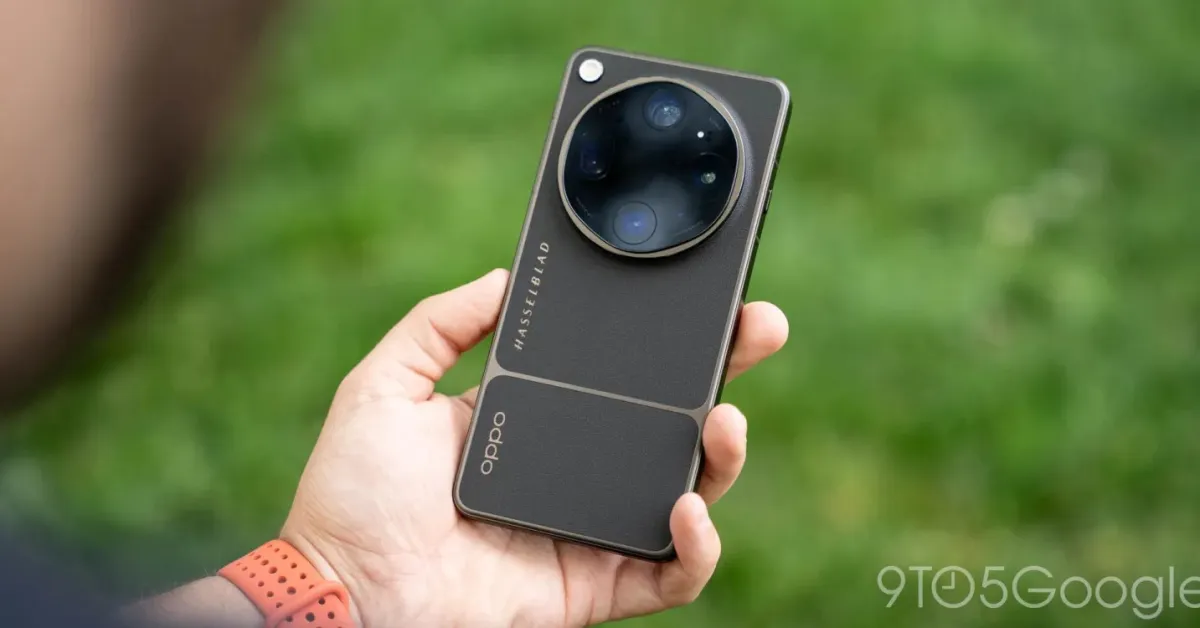
We have seen the same thing with AirDrop. As our sister site 9to5Google reported yesterday, AirDrop support, first seen on the Pixel 10 a few months ago, is now expanding to two more Android phones.
Following the expansion from Pixel to Samsung Galaxy, Google’s AirDrop support is now appearing on more Android phones with two models from Oppo and Vivo via Quick Share.
Personally, I support this situation. AirDrop is a really useful way to share files with people, and I know some of my friends inexplicably use Android devices, so I’m very happy to see this becoming a platform-independent feature. I hope Apple allows NameDrop to be used with Android devices as well.
- Official Apple Store on Amazon
- Apple’s iPhone cases: iPhone 17 | iPhone 17 Pro and Pro Max | iPhone Air
- Wireless CarPlay adapter (2026 update)
- AirTag holders and accessories
- Mac Pro-style Mac mini case
- NordVPN – privacy-focused VPN, no-logs, verified by independent audits





















Comments
(7 Comments)