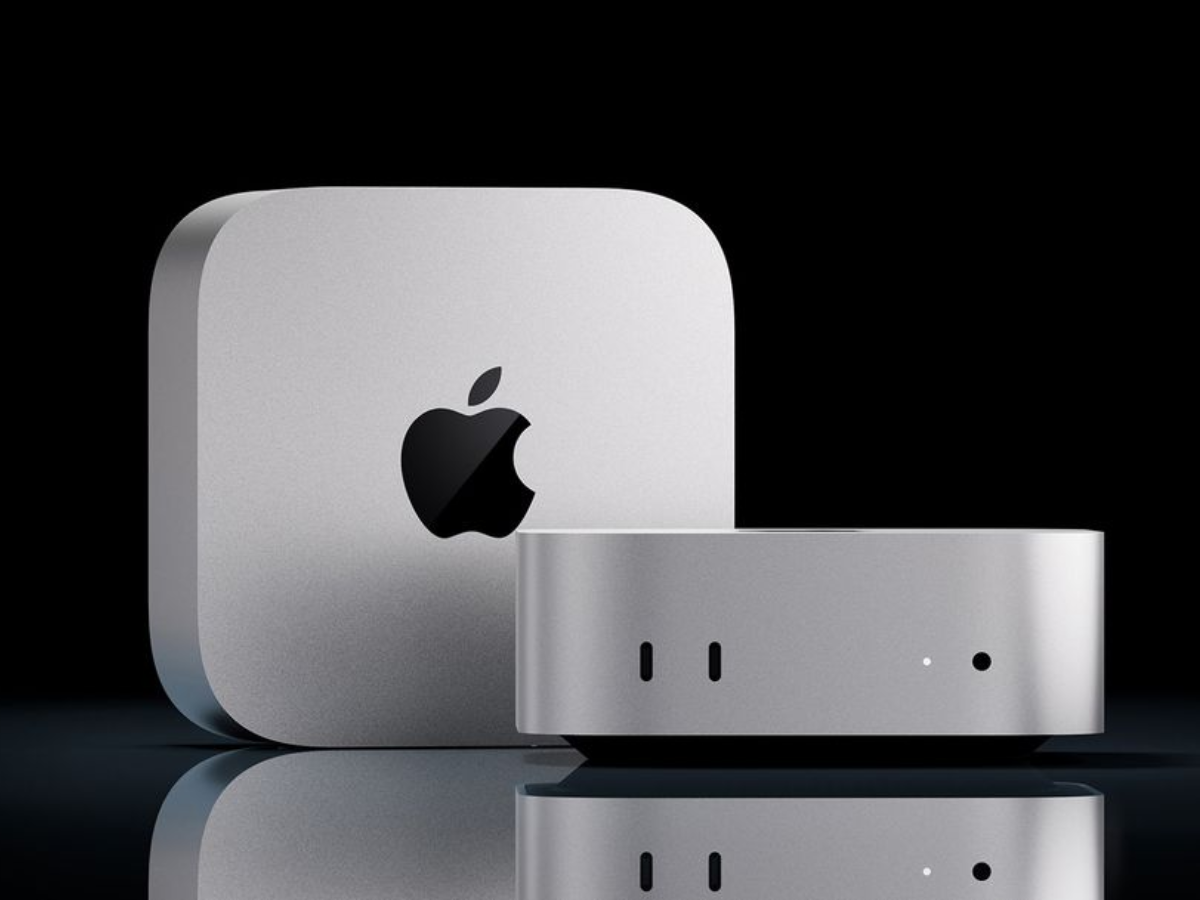
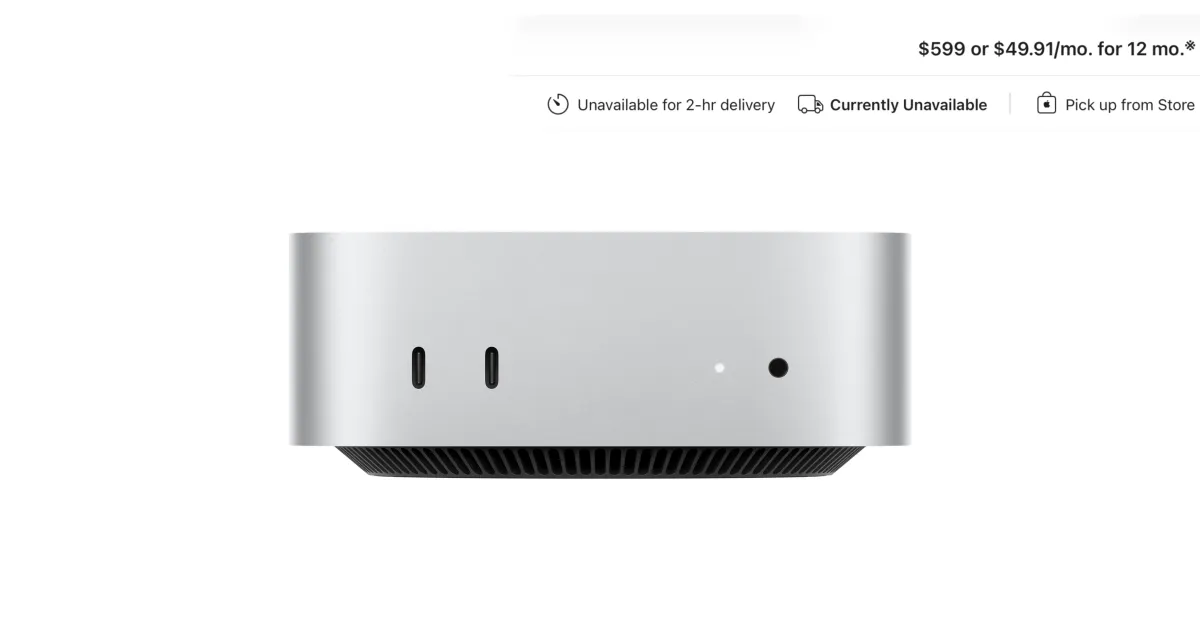
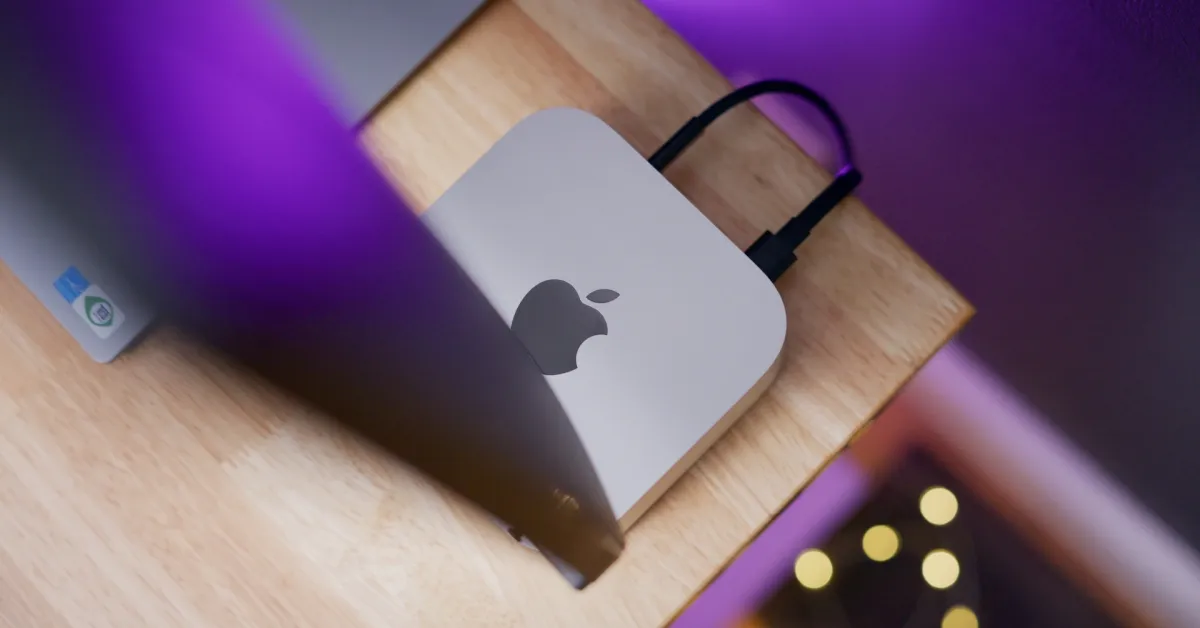
Apple CEO Tim Cook confirmed during the company's latest earnings call that customers may have to wait several months to get their Mac Minis. This situation arises as Apple works to meet unexpectedly high demand. The shortage is primarily due to AI developers using this machine as a local platform to run autonomous agent tools, creating more demand than typical desktop buyers.
Cook stated that the Mac Mini and Mac Studio are excellent platforms for AI and agent tools. The adoption of these tools is happening faster than we expected.
Why Are AI Developers Buying Mac Minis?
The appeal of the Mac Mini for AI developers stems from its ability to run agent workloads continuously without relying on cloud infrastructure. The unified memory architecture of Apple Silicon allows the machine to perform inference and orchestration tasks efficiently without requiring a discrete GPU, which is an expensive and hard-to-source component. Higher memory configurations can run continuous autonomous agents without occupying the main workstation.
OpenClaw, an open-source tool for creating and running autonomous AI agents released earlier this year, seems to have accelerated adoption. Developers experimenting with locally prioritized agent setups are turning to the Mac Mini as a dedicated and always-on system for this purpose.
Mac Mini Supply Shortages and Delays
Some Mac Mini configurations from Apple's product lineup, including the 512GB memory variant, are already sold out. By late April, even the base model was out of stock on Apple's online store, with wait times extending to several months, according to Cook's comments during the earnings call.
This quarter, Mac sales reached $8.4 billion; this is a small share compared to iPhone revenue of approximately $57 billion. Although the Mac Mini constitutes a modest portion of Mac sales, it has become unexpectedly significant while planning Apple's production capacity for AI development workflows.
Apple is also experiencing supply constraints on the iPhone due to limited chip availability. Additionally, strong demand for the MacBook Neo is putting further pressure on the Mac lineup. Cook noted that the demand model for the Mac Mini represents a situation that the company is not fully prepared for at its current production levels.



























Comments
(1 Comment)