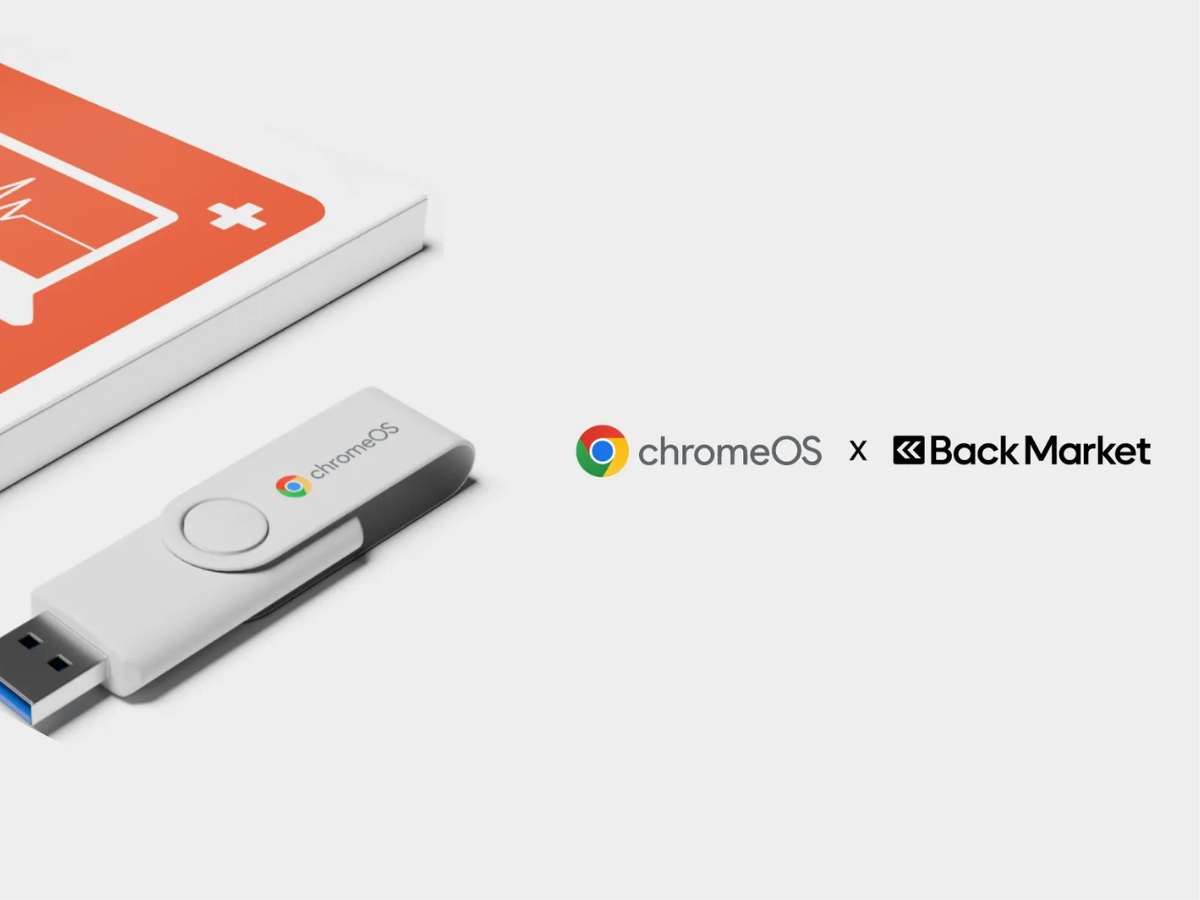
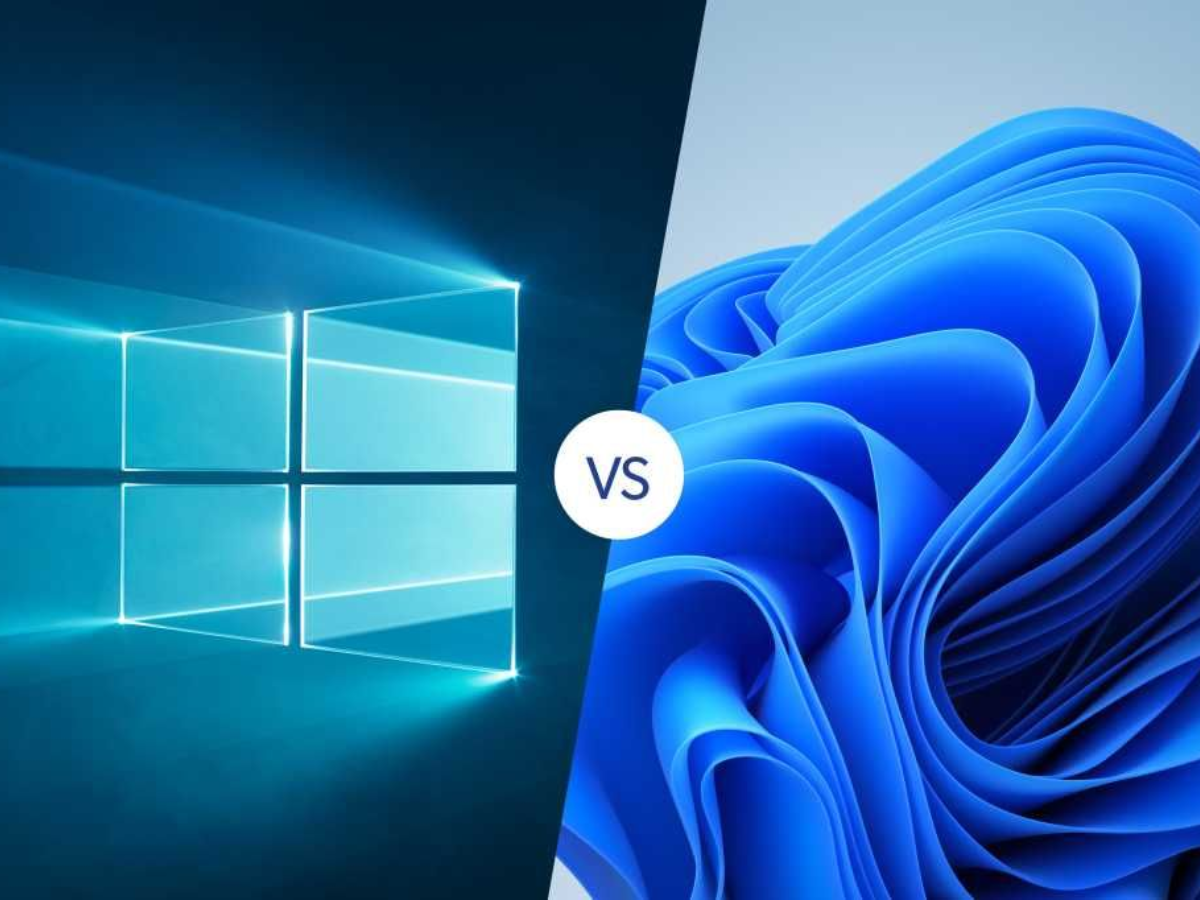
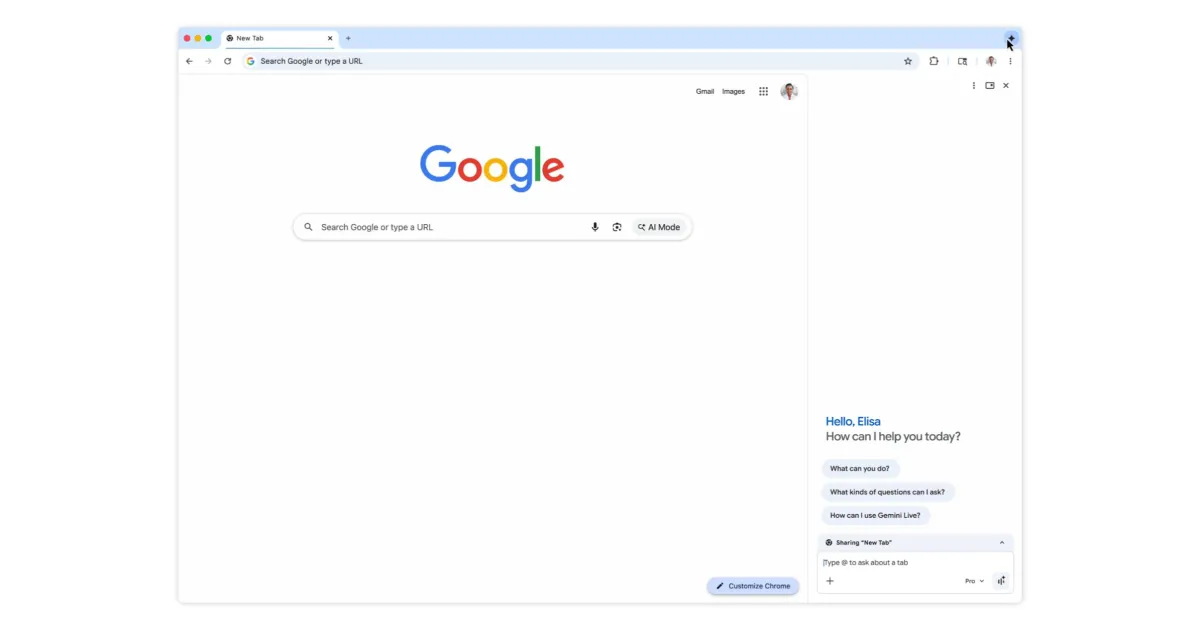
Google, in collaboration with refurbished technology retailer Back Market, has introduced a physical ChromeOS Flex USB Kit priced at $3. This kit targets users who still use Windows 10 on hardware that does not meet the system requirements for Windows 11.
With support ending in October 2025, extended security updates for Windows 10 will only be available until the end of 2026. Currently, this kit is offered as part of a pilot program with limited stock. Google stated that production would be increased if there is sufficient demand.
Contents of the $3 ChromeOS Flex USB Kit
The USB kit offers an easy, plug-and-play way to install ChromeOS Flex on an existing Windows PC or Mac. While ChromeOS Flex can be downloaded for free, the physical kit includes printed guides and video tutorials designed for users who are uncomfortable with manually installing an operating system. The kit is sold for $3 in the US, UK, and Europe.
Google reports that systems running ChromeOS Flex boot in less than 10 seconds and that most processing is done in the cloud rather than on local hardware.
ChromeOS Flex does not support Android applications. The operating system is designed for web browsing, streaming, and using cloud-based office applications. Users dependent on Windows-specific software or requiring intensive local processing will find ChromeOS Flex inadequate as an alternative.
Limitations of ChromeOS Flex and E-Waste Discussion
Google reports that ChromeOS Flex uses approximately 19% less energy compared to similar systems running other operating systems. The company also promotes the kit as an alternative by arguing that extending the lifespan of existing devices helps reduce electronic waste and lowers the carbon footprint associated with the production of new laptops. This year, approximately 61.3 million metric tons of electronic waste is expected to be disposed of worldwide.
The ChromeOS Flex USB Kit is currently available with limited stock through Back Market. Google has not announced a future release date or confirmation regarding whether the $3 price will be maintained if the program expands.









Comments
(2 Comments)