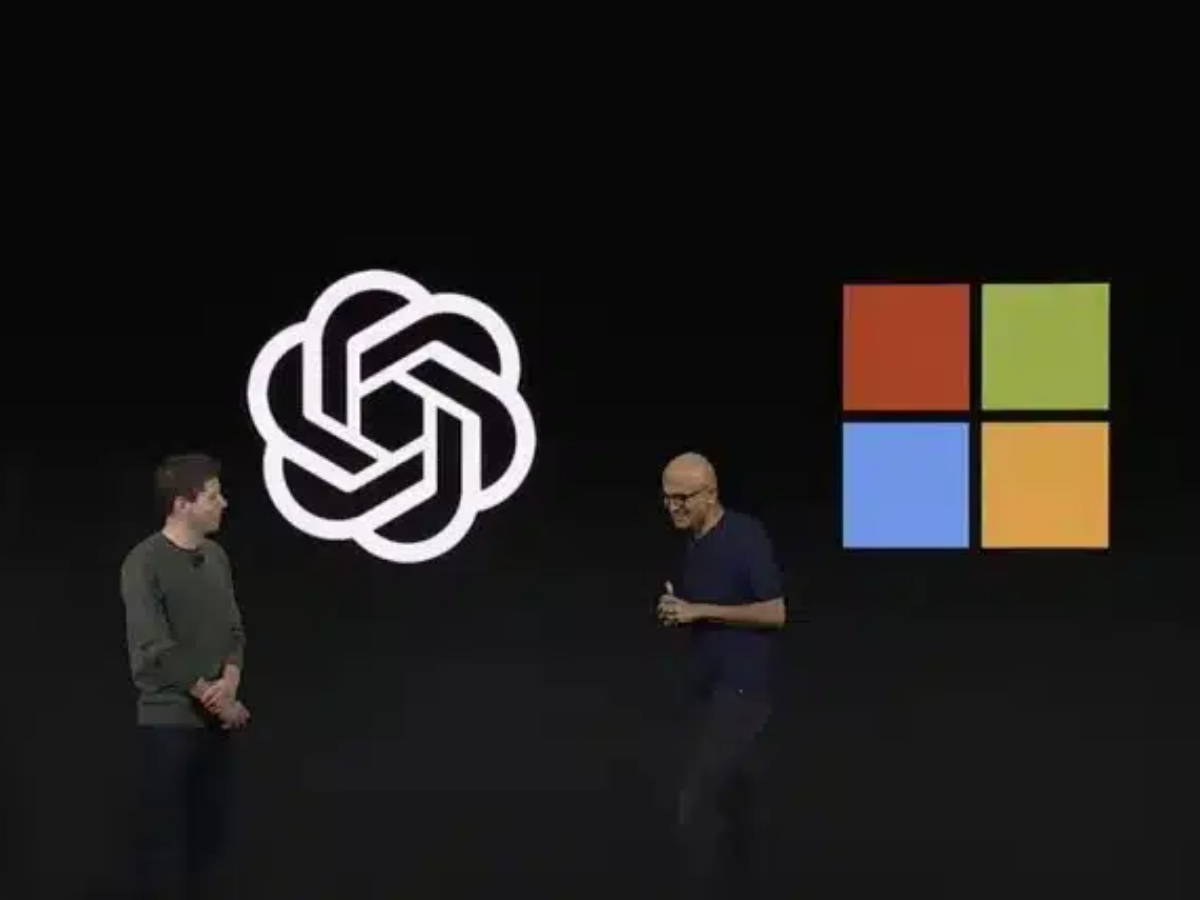
Microsoft and OpenAI announced a new partnership agreement that terminates their private cloud deal that has been ongoing since 2019. OpenAI will now be able to offer its products on any cloud provider, not just limited to Azure.
Under the new terms, Microsoft continues to be OpenAI's primary cloud partner. OpenAI products will primarily be launched on Azure, unless Microsoft does not support or chooses not to support the necessary capabilities.
Microsoft also holds the intellectual property license for OpenAI’s models and products until 2032, but this license is no longer exclusive.
Main Changes in the New Microsoft-OpenAI Agreement
Revenue sharing payments from OpenAI to Microsoft will now be subject to a total upper limit and will continue until 2030. This arrangement is structured so that it will not depend on OpenAI's progress in developing artificial general intelligence. Microsoft will not have to assess its response when OpenAI reaches this stage, simplifying a previously complex provision in their agreements.
Microsoft continues to hold a significant stake in OpenAI. According to the October 2025 agreement, its investment in OpenAI Group PBC is valued at approximately $135 billion, representing about 27% on a diluted basis.
New Agreement's Compatibility with OpenAI's Broader Cloud Partnerships
The restructuring came after OpenAI's significant partnership announcement with Amazon two months ago. Amazon agreed to invest up to $50 billion, and OpenAI increased its existing AWS agreement by $100 billion over eight years. The loosening of Azure's exclusivity reflects OpenAI's growing relationships with multiple cloud providers.
These changes for Microsoft may affect upcoming financial reports. Analysts will pay attention to how the company reports the capped revenue sharing payments and the reduced exclusivity in AI investment disclosures.
GPT-5.5 is now generally available on Microsoft Foundry via Azure. Microsoft describes this model as one that offers improved agency coding, better long-context reasoning, and increased token efficiency for enterprise deployments.




























Comments
(9 Comments)