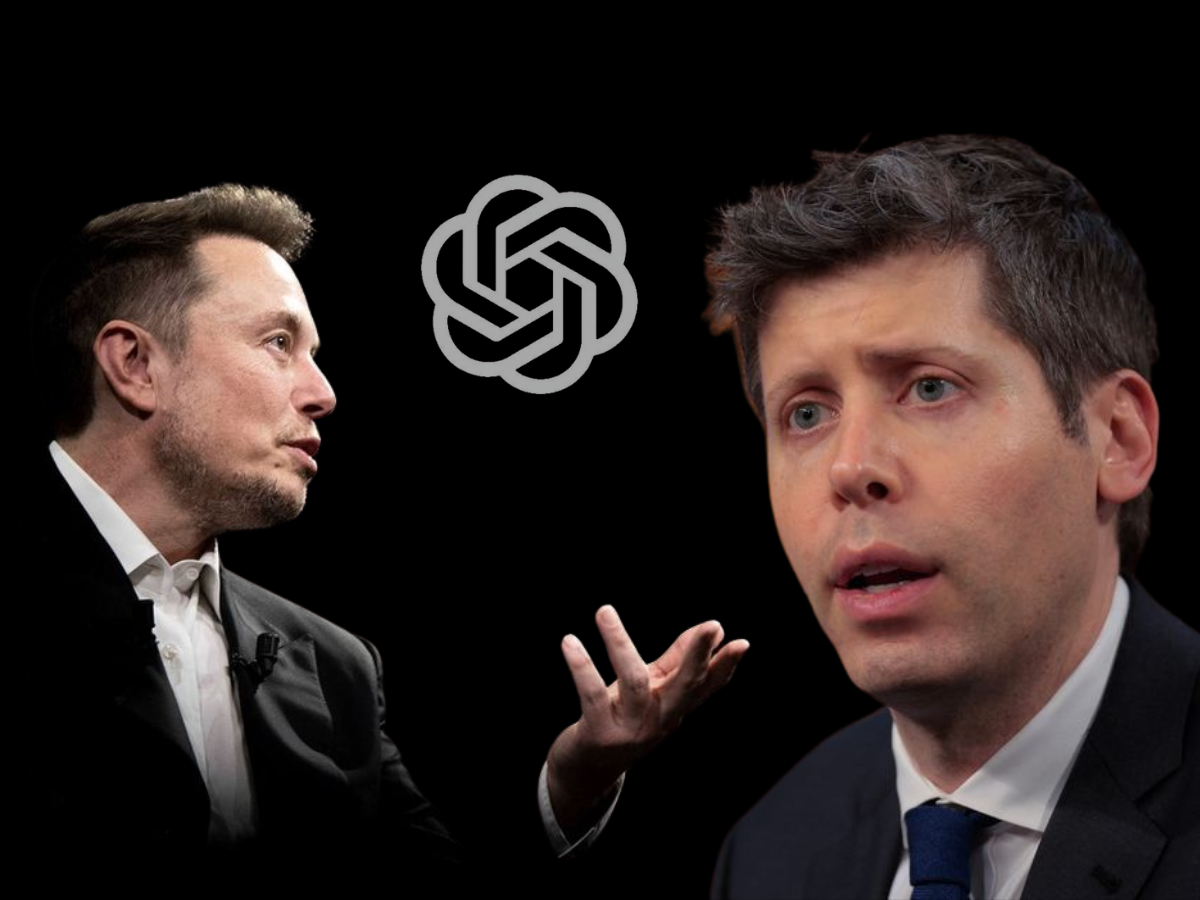
The lawsuit between Elon Musk and OpenAI, Sam Altman, Greg Brockman, and Microsoft took place in a federal court in Oakland, California. A jury of nine members was present for the trial, and opening arguments were made. Judge Yvonne Gonzalez Rogers is presiding over the case. The trial process is expected to last four weeks, with sessions held daily from 08:30 to 13:40 PT.
Initially, Musk filed 26 lawsuits in 2024, but only two remain: breach of charity trust and unjust enrichment. The case is divided into two phases. The jury will provide advisory opinions on liability, while the judge will make the final decision. If the defendants are found liable, the judge will determine the appropriate damages solely by herself.
Musk's Allegations Against OpenAI
Musk's lead attorney Steven Molo told the jury that Musk's approximately 38 million dollar donation to OpenAI created a charitable trust aimed at keeping the organization a non-profit forever. He argued that Altman and Brockman used these funds for unauthorized commercial purposes when OpenAI established its for-profit arm in March 2019.
Musk is seeking damages estimated by an expert to be as high as 134 billion dollars in wrongful gains. It is noted that the total liability for OpenAI and Microsoft could exceed 150 billion dollars. Musk has requested that any damages be returned to OpenAI's non-profit side, that Altman and Brockman be removed from their positions, and that the company's recapitalization in October be reversed.
OpenAI's Defense in the Musk Lawsuit
OpenAI's attorney William Savitt stated that in 2017, all parties, including Musk, agreed that a for-profit structure was a logical next step for the company's mission.
However, the request for unilateral control as CEO was rejected. OpenAI characterized the lawsuit as a baseless harassment campaign driven by Musk's competitive interests, especially considering that Musk founded his own AI company, xAI, in 2023.
Evidence and Key Witnesses in the Case
Among the internal documents presented as evidence before the trial is a 2017 email sent to Musk by Sutskever and Brockman. The email states that the existing structure provided Musk with the ultimate control over AGI and that OpenAI's purpose was to avoid an AGI dictatorship.
Musk had written to OpenAI's management that he would no longer fund the organization unless they provided a firm commitment to remain independent, otherwise he would have provided free funds to help them start an initiative.
Witnesses expected to be heard include Altman, Brockman, Microsoft CEO Satya Nadella, former OpenAI scientists Mira Murati and Ilya Sutskever, and Shivon Zilis. Both Musk and Altman are expected to testify for more than two hours.
Reuters reports that the outcome of the case may depend on the pages in Brockman's personal diary; a 2017 entry states, "It is our only chance to get out from under Elon."
The Implications of the Verdict in the Musk and OpenAI Case
If Musk wins, Altman and Brockman could be removed from their positions, the company's for-profit restructuring could be reversed, and damages could be directed towards the charitable mission.
A loss would support the preservation of OpenAI's current structure and ensure the company stays on track for a potential IPO by the end of 2026. Recently, OpenAI closed a funding round of 122 billion dollars with a valuation of 852 billion dollars.






Comments
(2 Comments)