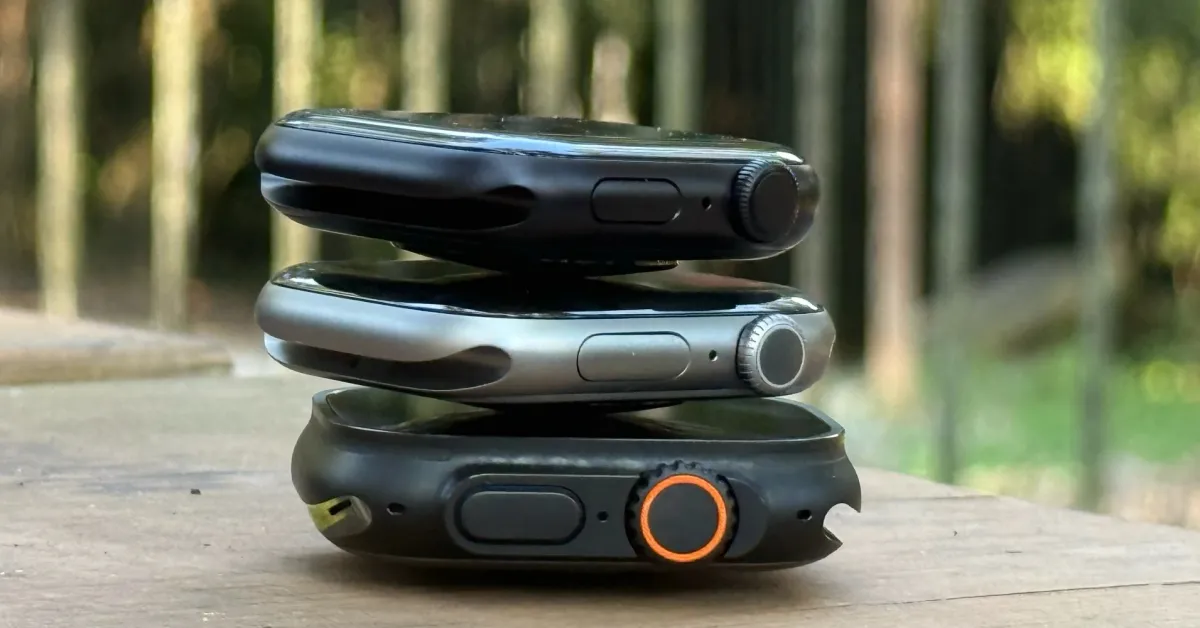
Apple has introduced a new 3D printing manufacturing process for the titanium shell of the Apple Watch Ultra 3. This process allows the company to save on raw materials, improve costs, and use 100% recycled titanium powder. The company is also utilizing 3D printing for the titanium version of the Apple Watch Series 11 and the USB-C port in the iPhone Air.
Now, the company plans to expand this process to aluminum, which will enable most Apple Watch cases to be produced using 3D printing. Looking further ahead, according to Mark Gurman’s Power On newsletter, this process may also come to the iPhone.
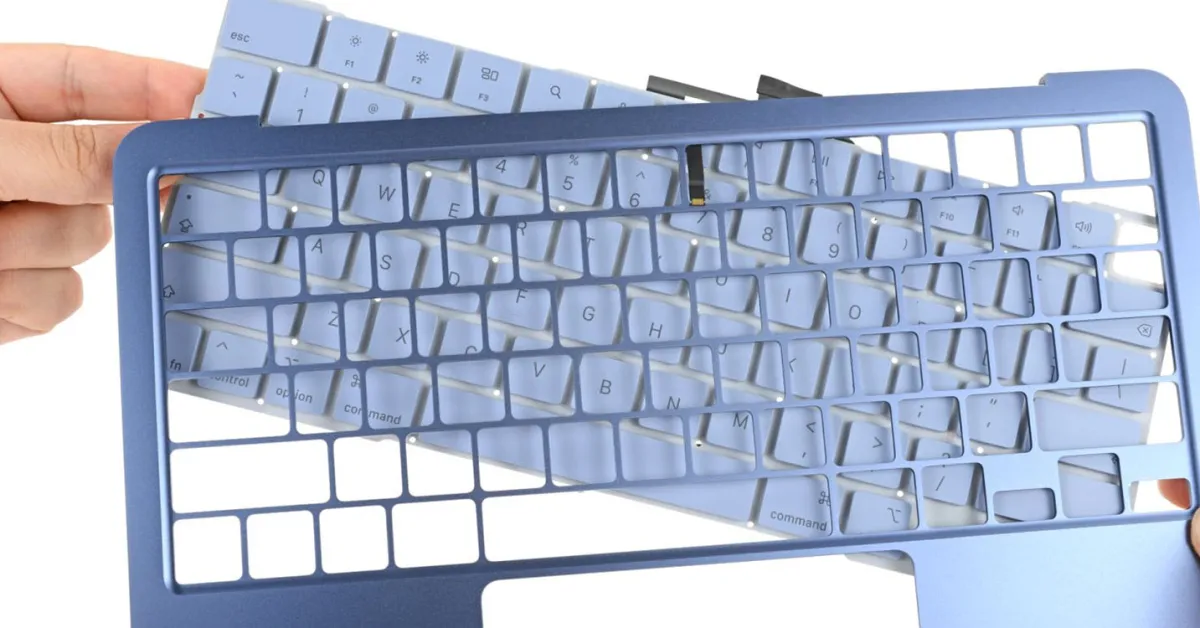
Last month, we heard that Apple adopted a lower-cost aluminum manufacturing process with the MacBook Neo. This allowed the company to maintain a strong and durable aluminum chassis even in its cheapest MacBook, as plastic is often associated with cheaper products. Until 2010, Apple also offered a cheaper white plastic MacBook.
However, while this new aluminum manufacturing process is cheaper, it does not use 3D printing. It uses the least amount of metal possible, and the MacBook Neo uses 50% less aluminum than traditional manufacturing processes.
3D Printed Aluminum Coming to iPhone and Apple Watch
Apple wants a similar process to take place in future iPhone and Apple Watch models. According to Bloomberg's Mark Gurman:
The company’s production design team — along with the operations department — is exploring ways to produce aluminum using 3D printing. This will provide greater efficiency in the production of Apple Watch cases and could one day be applied to iPhone cases as well.
While cost savings are a primary benefit, 3D printing is not just about reducing costs. In the Apple Watch Ultra 3, this process has helped increase waterproofing:
Another significant design improvement provided by 3D printing: the ability to print textures in areas that were historically inaccessible in the casting process. For the Apple Watch, this allowed for the improvement of the waterproofing process for the antenna housing in cellular models. Inside the case, cellular models have a compartment filled with plastic, and printing a specific texture on the inner surface of the metal with 3D printing allows Apple to create a better bond between plastic and metal.
The iPhone Air also benefits from 3D printing, allowing for a thinner USB-C port to be produced. Without 3D printing, the iPhone Air would likely be a bit thicker.
It is not yet clear what other consumer-facing benefits a 3D printed aluminum chassis might have, but it is still a nice environmental gain. Perhaps one day we might see a cheaper iPhone 'e' model, which could come at a price closer to $499 instead of the $599 for the iPhone 17e. Time will tell.
My favorite Apple accessory recommendations:
- Anker MagSafe/Qi2 Ultra Slim Battery Pack
- AirPods Pro 3 (2x ANC compared to AirPods Pro 2!)
- Anker Nano 45W Fast Charger with Smart Display
- Anker 3-in-1 Prime 25W MagSafe Charging Stand
- Logitech MX Master 4 Mouse for Mac
- Satechi OntheGo 7-in-1 USB-C hub
Follow Michael: X/Twitter, Bluesky, Instagram































Comments
(3 Comments)