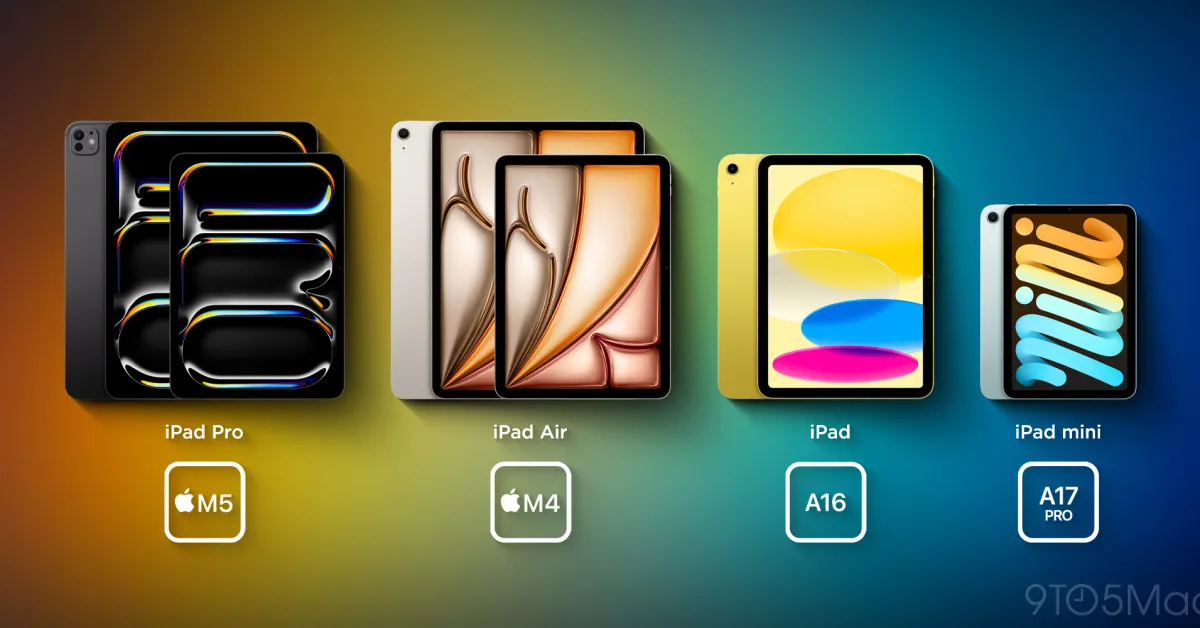
Over the years, buying an iPad has become increasingly complex. With many models and overlapping features, it is no longer clearly possible to recommend one iPad for a type of user. Still, Apple has a general idea of how it views its iPad lineup and who each model is designed for.
Apple's message for its four different iPad products is basically this: the basic iPad is for "daily tasks", the iPad mini is for "small but powerful on the go", the iPad Air is for "Mac-class power without the Mac-class weight", and the iPad Pro is for "professionals where money is no object".
Below is a quick tour of how Apple introduces each device and a bit of perspective on what Apple really means when it presents its lineup.
iPad
“Cute. Draw-able. Magical.”
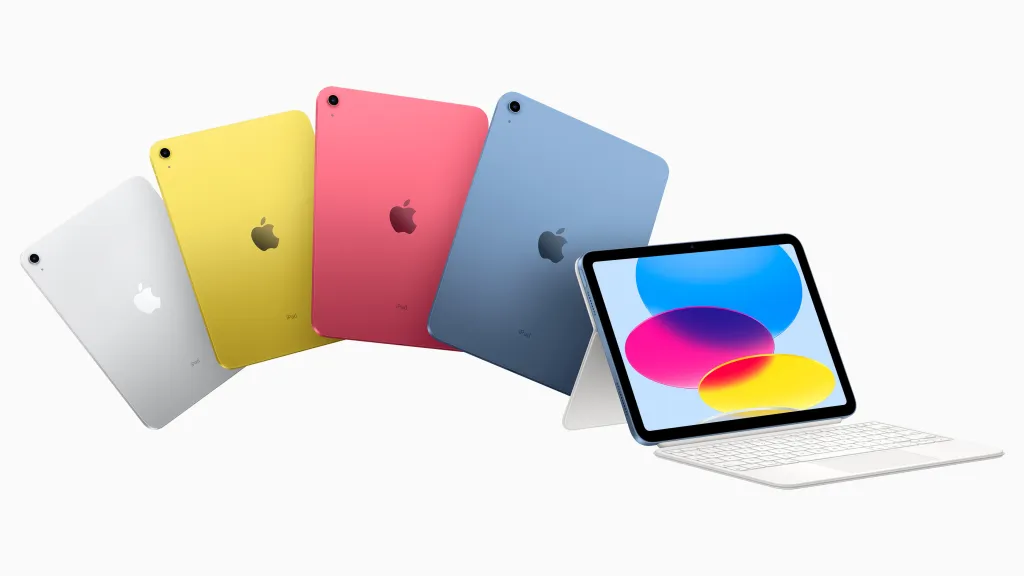
Apple markets the current 11th generation iPad as a sensible option for casual users looking for a colorful and fun device for "the things you do every day", which... doesn’t say much.
Translation? Watching shows on the couch, FaceTiming with grandma, doing homework on Pages, and maybe doodling with the Apple Pencil once in a while. Oh, and currently a plus for some is the lack of Apple Intelligence support.
On the webpage, Apple emphasizes its all-screen, home button-less design and also mentions compatibility with the Apple Pencil and Magic Keyboard Folio. While this makes it a bit harder to distinguish between models, these features are certainly welcomed by those choosing this model.
My view: Despite the lack of Apple Intelligence support, this is still the best cost-benefit option. However, the real trap is storage space. At $349, 128 GB has finally become standard, but depending on your usage, this can fill up quickly. If possible, spend extra for 256 GB or have your cloud budget ready.
Technical specifications: 11” Liquid Retina display, sRGB color and True Tone, A16 chip, 4K 12MP wide rear camera, horizontal 12MP Ultra Wide front camera, 1st generation Apple Pencil and USB-C support, Magic Keyboard Folio support.
iPad Air
“Vuuuu.”
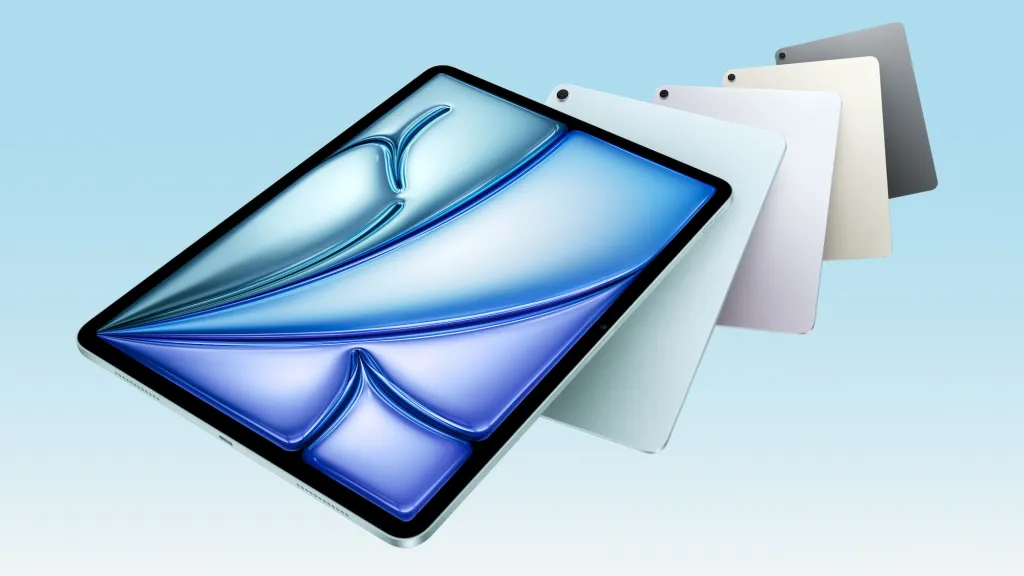
Starting at $599, Apple markets the iPad Air as a more serious option and introduces it as an iPad for more serious users. As you climb the iPad ladder, this is the first option that offers two screen sizes and has Apple Intelligence support. (This feature is also found in the iPad mini. We’ll get to that too.)
In its messaging, Apple frequently uses words like "powerhouse", indicating that while it may not be an iPad Pro, you can do some heavy lifting that you can't do on the 11th generation iPad. The color options also emphasize that while they are still fun, colorful iPads, they are definitely not fun, quirky iPads with an extra zero.
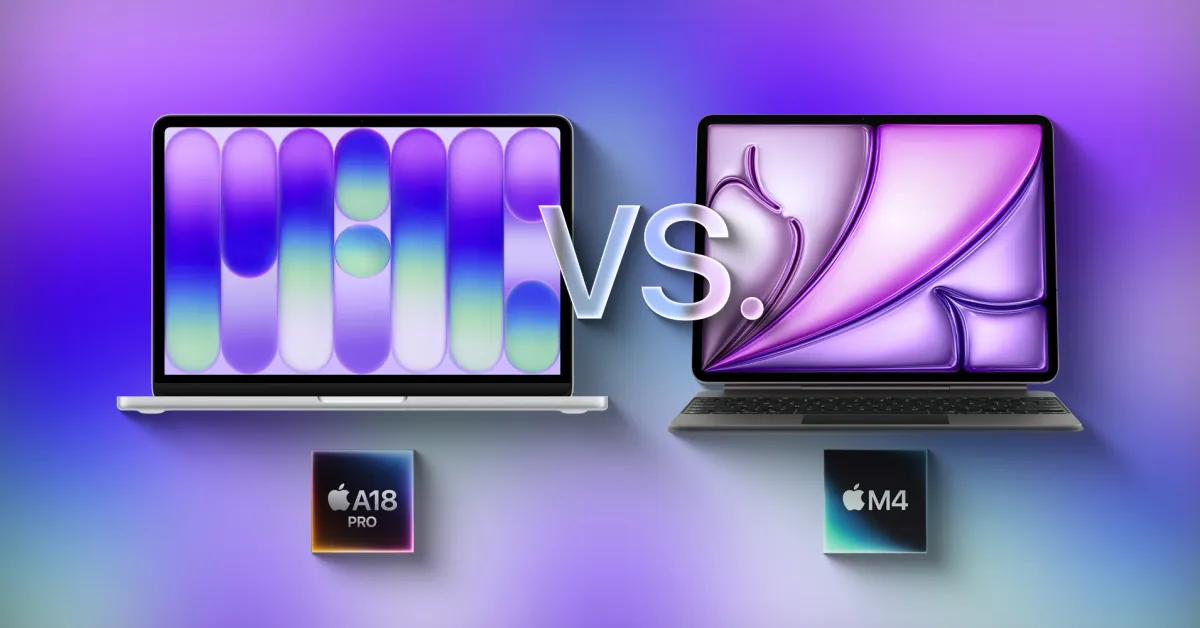
However, if portability is your target, there’s something to consider: the 13-inch iPad Air weighs 1.36 pounds, which is heavier than the 1.28-pound iPad Pro of the same size. In terms of performance, the M4 chip in the iPad Air is slightly different from the M4 chip in the iPad Pro; it features an 8-core CPU and a 9-core GPU, whereas the M4 chip in the iPad Pro can go up to a 10-core CPU and a 10-core GPU.
Still, since the M3 iPad Air has already been able to handle many Final Cut and Lightroom-type tasks, I can say the same will likely hold true for the M4 iPad Air, saving you $400 compared to the entry-level Pro.
My view: If you need Mac-level power but can’t spend “Thinpossible” money (we’ll get to that), this is the sweet spot. Just remember: the Magic Keyboard and Pencil Pro are still extra.
Technical specifications: 11” or 13” Liquid Retina display, P3 wide color, True Tone and anti-reflective coating, M4 chip with Apple Intelligence support, 4K 12MP wide rear camera, horizontal 12MP Center Stage front camera, Apple Pencil Pro and USB-C support, Magic Keyboard support for iPad Air.
iPad Pro
“Thinpossible.”
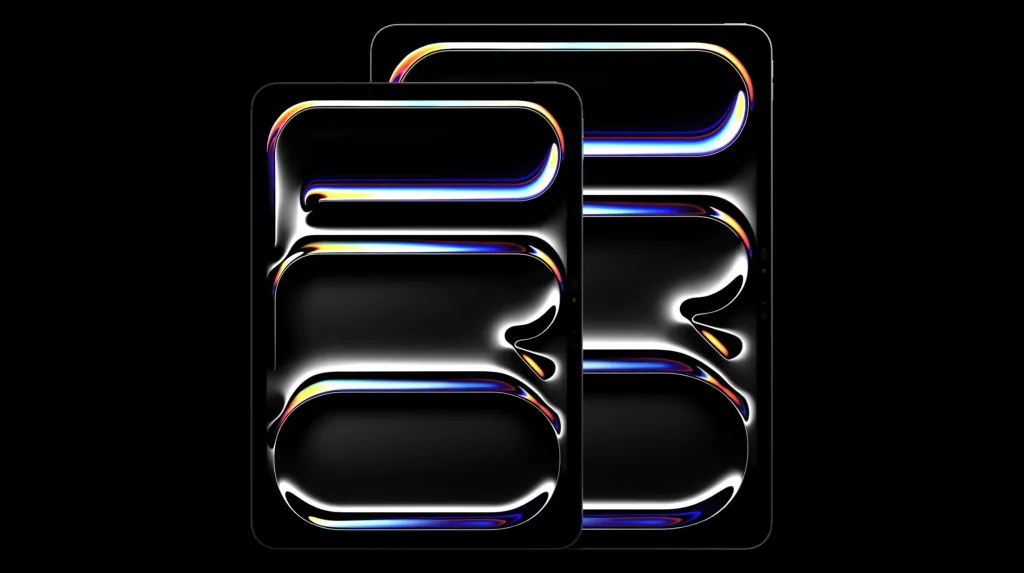
Starting at $999, the serious, heavy, and expensive iPad Pro is Apple’s closest tablet alternative to a Mac ever made. Apple really emphasizes how thin this iPad is, and it should. At 5.1 mm thick, it’s truly crazy to see how thin the iPad Pro is.
Apple also uses words like “fast” and “advanced” on the product page, highlighting its connectivity features, such as supporting 6K external displays and achieving data transfer speeds of up to 40 Gb/s.
However, there’s a caveat here. If you don’t have an appetite for things like knowing that the M4 chip in the iPad Pro offers quite a bit of headroom for multi-layered 8K ProRes, the iPad Air may already be too much for your needs.
My view: If you’re still asking yourself, “Do I need an iPad Pro?”, you probably don’t.
Technical specifications: 11″ or 13″ Ultra Retina XDR display, ProMotion, P3 wide color, True Tone, anti-reflective coating, nano-texture glass option on 1TB and 2TB models, M4 chip with Apple Intelligence support, 4K 12MP wide rear camera with ProRes support, horizontal 12MP Center Stage TrueDepth front camera, Apple Pencil Pro and USB-C support, Magic Keyboard support for iPad Pro.
iPad mini
“Great with one hand.”
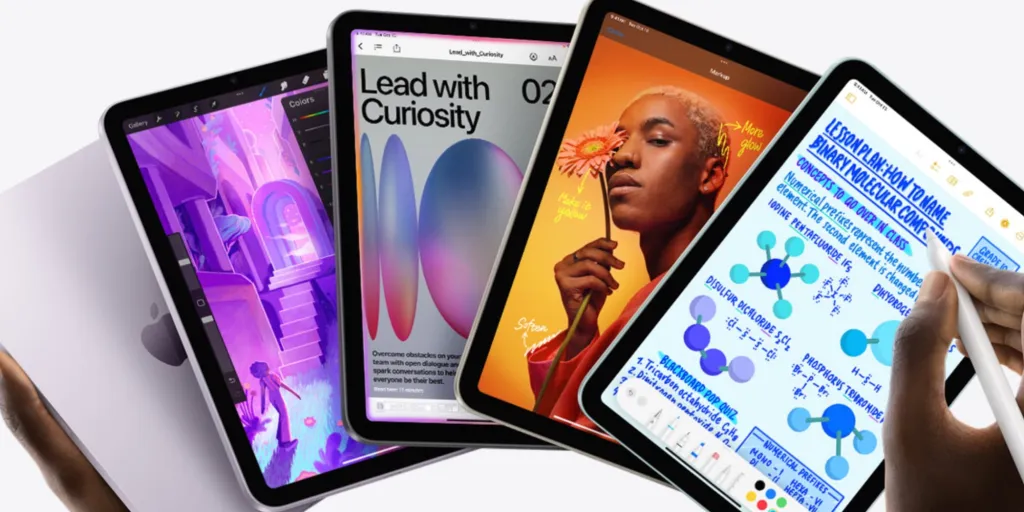
Apple’s own text is filled with long, humble praise about how this device can fit in a jacket pocket but still run the same apps as its more powerful siblings.
Doctors love it on rounds, pilots tether it to the yoke, and passengers enjoy reading with one hand. While most reviews confirm the versatility of this device, some warn that it’s still a niche purchase.
My view: while sometimes the iPad mini seems to be marketed as Apple’s answer to Samsung’s productivity-focused phones like the Galaxy Note, in reality, it may inherently be more of a consumption device. You can jot down notes on PDFs and take nice handwritten notes in class, but there’s a reason you’ve never seen Apple introduce the iPad mini with an open table.
Technical specifications: 8.3″ Liquid Retina display, P3 wide color, True Tone and anti-reflective coating, A17 Pro chip with Apple Intelligence support, 4K 12MP wide rear camera, 12MP Center Stage front camera, Apple Pencil Pro and USB-C support, Bluetooth keyboard support.
Big, big, big final warning
There are people who create miracles managing entire companies with the iPad mini, and there are people who buy an iPad Pro and return it saying they can’t do anything with it. More than other Apple products, your experience can be very different.
This guide was prepared to explore how Apple markets each of its iPads and to offer some commentary on how someone sees the difference between expectation and reality. If your experience has been different, let’s talk about it in the comments. For still-skeptical readers, every piece of information can help.
Worth checking out on Amazon
- David Pogue’s ‘Apple: The First 50 Years’ book
- Logitech MX Master 4
- AirPods Pro 3
- AirTag (2nd Generation) – 4 Pack
- Apple Watch Series 11
- Wireless CarPlay adapter

















Comments
(4 Comments)