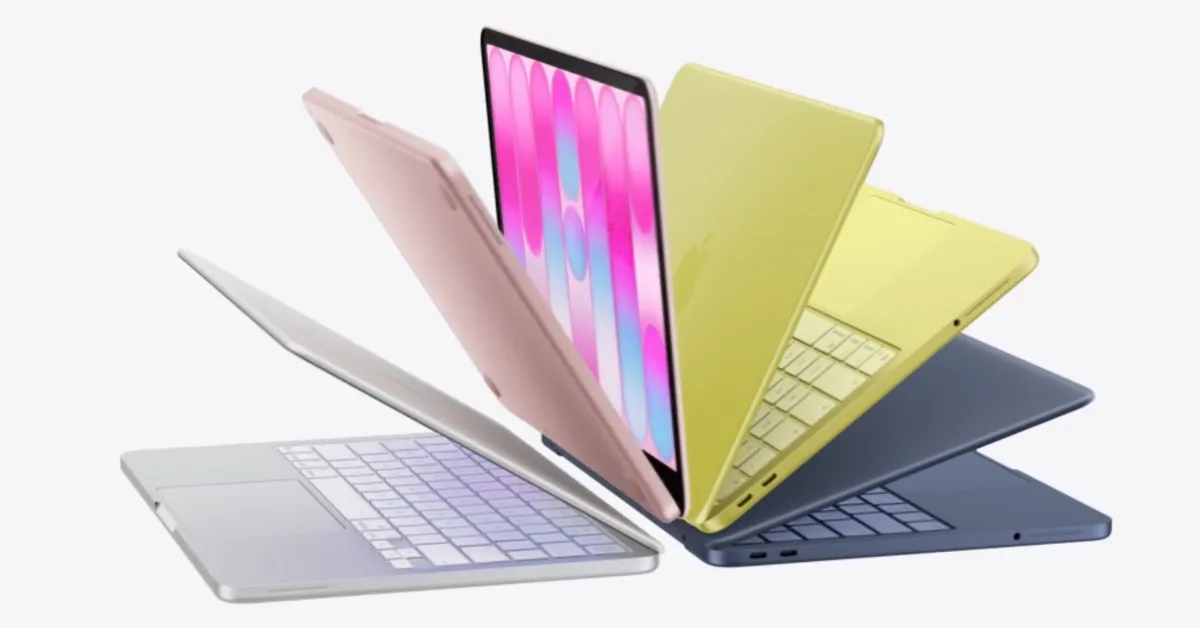
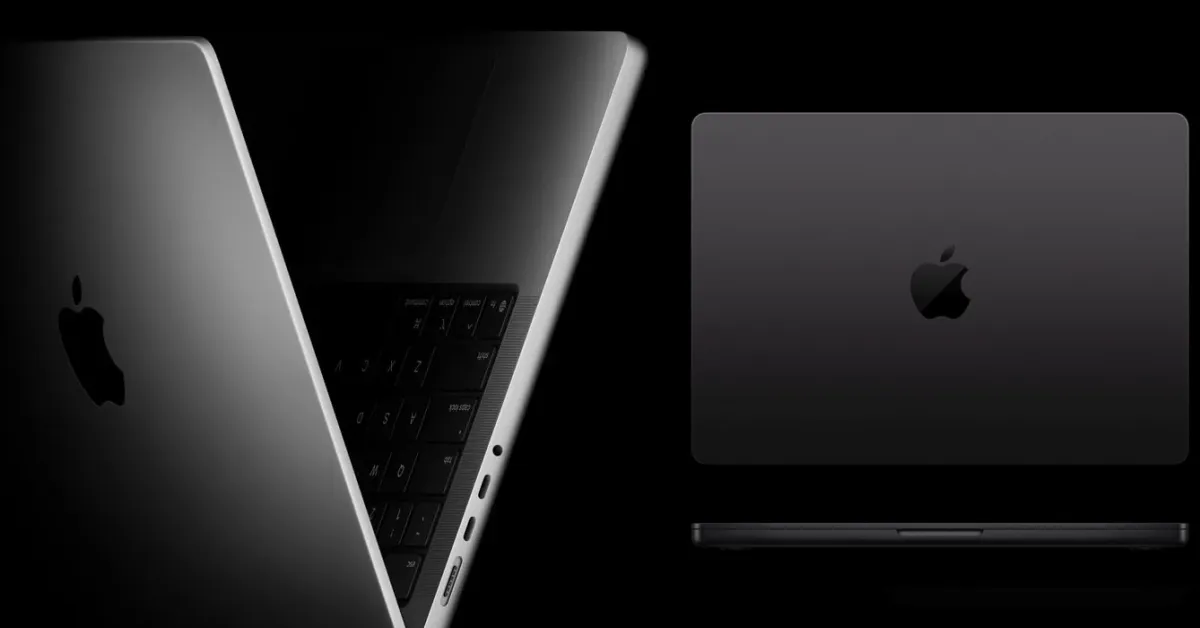
Steven Sinofsky, former President of Microsoft’s Windows Division, published an interesting review of the MacBook Neo, discussing why Microsoft’s first move towards lightweight ARM-based PCs failed. Here’s what he said.
The MacBook Neo Could Be the Opportunity Microsoft Missed
If you are not familiar with Steven Sinofsky, you should know that he joined Microsoft as a software design engineer in 1989 and left in 2012 after managing many teams and divisions related to Office and Windows.
After leaving Microsoft, Sinofsky started a blog called Learning by Shipping, where he published essays, thoughts, and writings on "learning, strategy, competition, and other aspects of the technology industry."
His writings provide an honest look at his time at Microsoft and the industry in general, and he does not shy away from insightful critiques (and self-critiques) when appropriate.
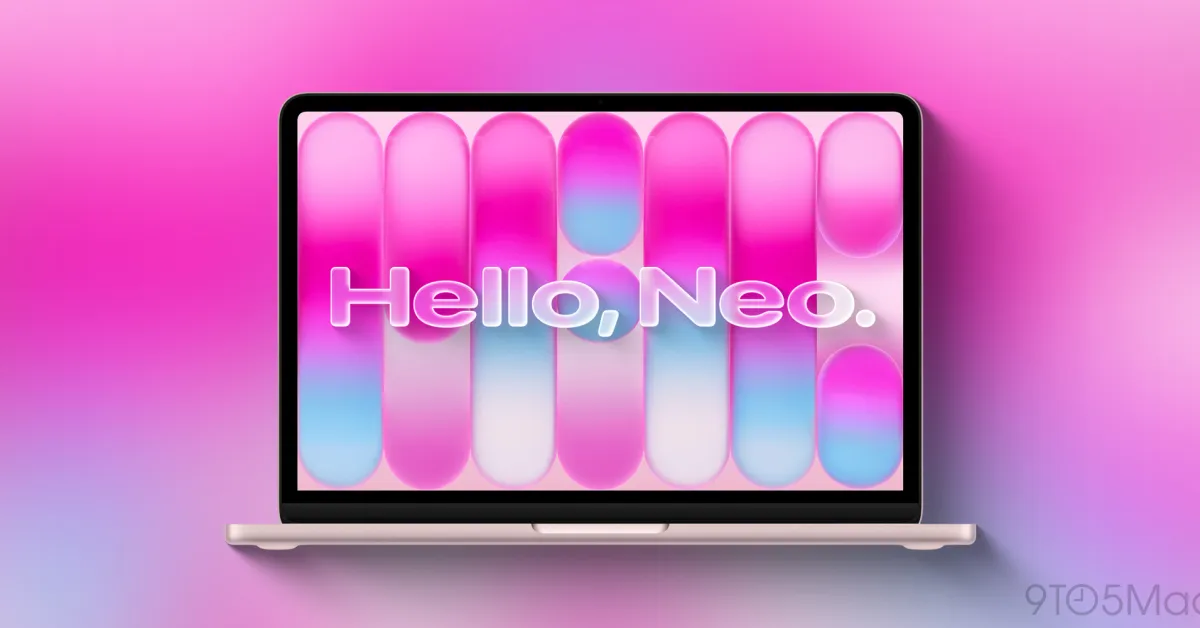
In his new article titled "Mac Neo and My Melancholic Afternoon," Sinofsky reflects on the nearly unanimous praise the MacBook Neo has received this week from other reviews (including ours).
However, he also examines the success Apple has achieved with its new low-cost laptop from the perspective of someone who attempted a similar move in the past; the results were quite different:
“When I think about Windows 8 over the last twelve years, I often conclude that I was early and wrong or too hasty, which was to avoid feeling bad about myself.
But today I am using the Neo and thinking about Windows 8 and Surface, and I must admit I am struggling to reach that conclusion. At that time, we had all the pieces and they all worked. […] It was possible to run this device in the world we lived in. The price was $599 for 32GB with keyboard and $699 for 64GB. […]
The mistake we made was not transitioning the ecosystem to a new application model that was sufficiently fast, more secure, more reliable, and more energy-efficient. Many people opposed this. […] From the day we announced ARM, we aimed to break away from the x86 Windows world and wanted to be innovative. I knew that every small step in the Microsoft world was practically a lifetime commitment. Today you can see how ARM is being treated, as an option that will forever remain as an alternative to x86. We saw it that way then, and I still see it that way. There is no revisionist history here. This was our strategy.”
Sinofsky compares this to Apple’s decade-long efforts to guide developers to new APIs and frameworks. He argues that this made the transition to ARM-based Macs much easier (and made the MacBook Neo possible); whereas Microsoft’s insistence on backward compatibility made this transition difficult.
While this is his main thesis explaining why Sinofsky’s attempt to build something similar to the MacBook Neo failed, his entire article is filled with interesting insights and generally offers thoughts far removed from PR effects regarding past projects.
As for the actual review of the MacBook Neo, it presents an interesting way to think about the sacrifices Apple made to offer this $599 laptop and points out who it is really suitable for:
The Neo doesn’t need to be better. It just needs to stay perfect. If you want or need something better, there are two tiers of laptops and two tiers of desktops available. There are also iPads. In five years, the Neo will be more powerful than most of these devices and will probably still sell for $699. Moore’s law is unbeatable.
You can follow this link to read the full article.
Products Worth Checking Out on Amazon
- David Pogue’s ‘Apple: The First 50 Years’ book
- Logitech MX Master 4
- AirPods Pro 3
- AirTag (2nd Generation) – 4 Pack
- Apple Watch Series 11
- Wireless CarPlay adapter































Comments
(1 Comment)