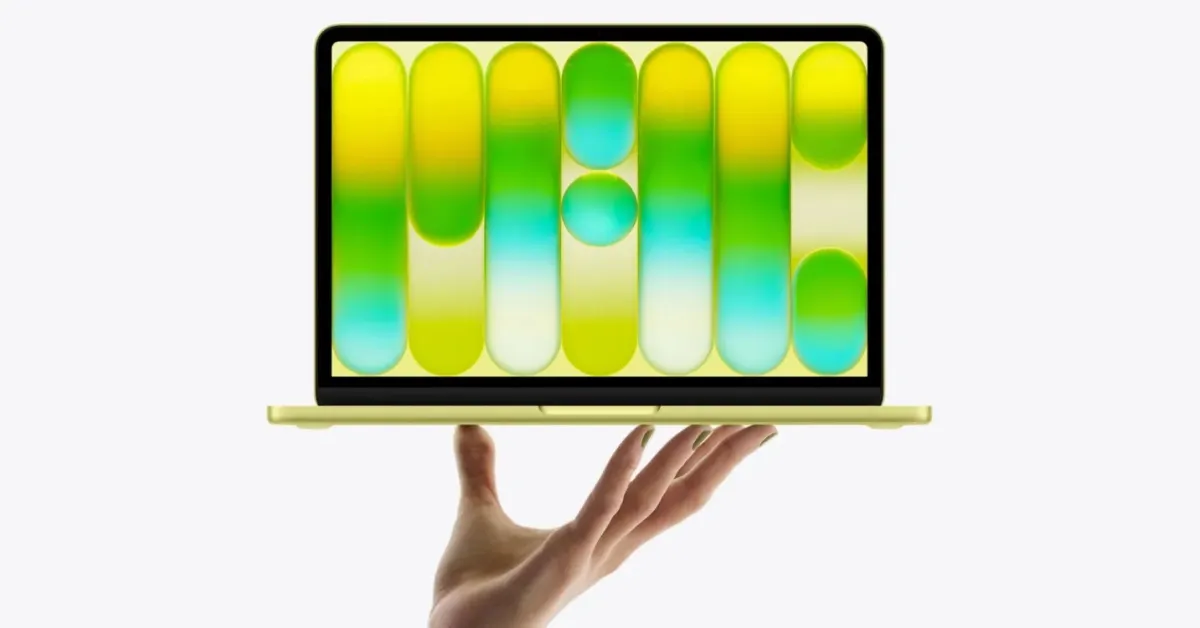
Apple's hardware design leader Molly Anderson stated that the company started from scratch in the production process of its new MacBook Neo, allowing for much more efficient use of materials.
The company is also reportedly considering adopting an extremely challenging manufacturing technique for the aluminum casing of future iPhone and Apple Watch models...
Apple had highlighted the environmental features of its latest laptop, noting that this product set a new record in terms of recycled materials.
This product contains 60% recycled content - the highest percentage in any Apple product. This includes a total of 90% recycled aluminum and 100% recycled cobalt in the battery.
New MacBook Neo Processing Process
The company also referred to a new manufacturing process, but did not provide details at that time.
The casing is produced using a material-efficient shaping process that uses 50% less aluminum compared to traditional machining methods.
For previous MacBooks, Apple started with a rectangular piece of aluminum and machined it into shape. This created significant amounts of unused cutouts. However, for the MacBook Neo, Anderson explained that the company managed to significantly reduce the amount of unused aluminum.
“We started with an extrusion, we flatten it, and then we bring it as close as possible to the final product's shape with heat and pressure,” Anderson explained. “Then we do fine machining to create the profile.” According to Anderson, this […] halved the amount of material used.
Reducing material waste is good for Apple's profit margins, and it is also beneficial for the environment. While the company will recycle discarded parts as much as possible, reducing their number is a more efficient approach. Anderson added that this also reduces machining time, which likely decreases energy consumption as well.
3D Printing for iPhone and Apple Watch Casings
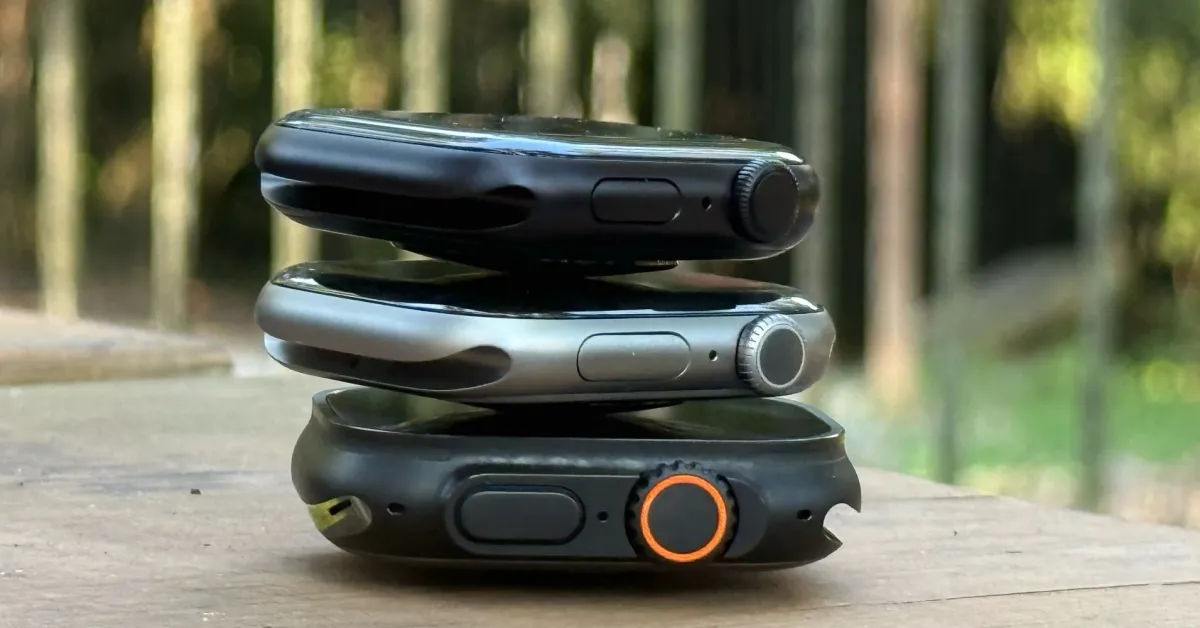
Apple began using 3D printing for the titanium casing of the Apple Watch Ultra 3. The company stated at that time that this allowed for the use of 100% recycled titanium powder and more efficient use of the material.
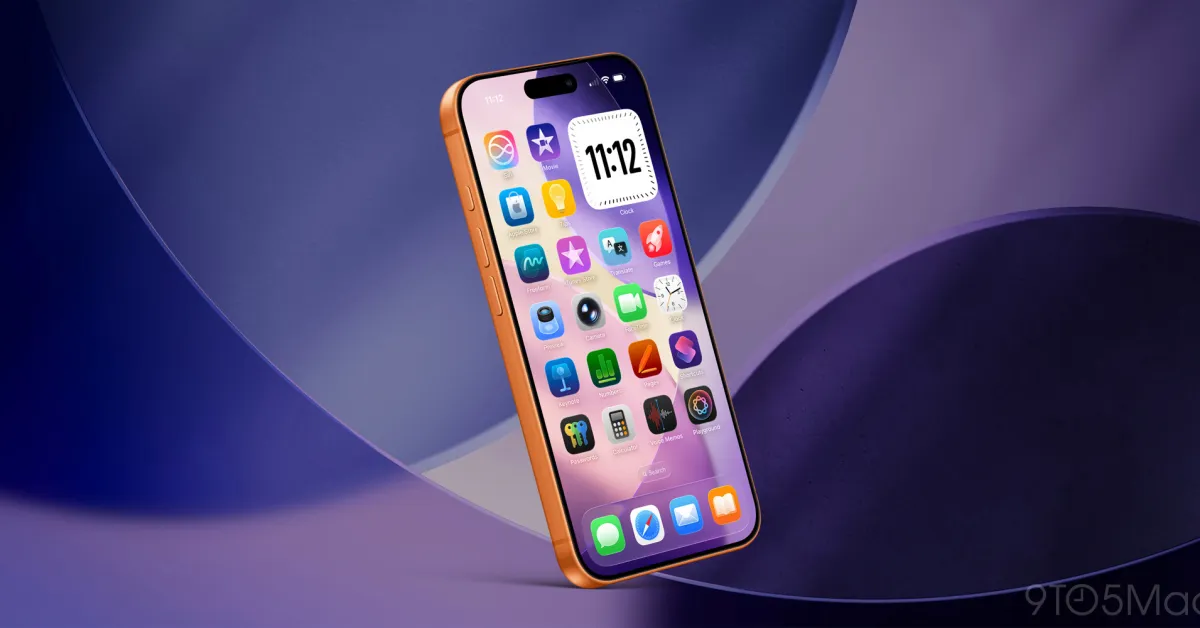
A Bloomberg report indicates that the company is now working on ways to 3D print aluminum for both future iPhone and Apple Watch casings.
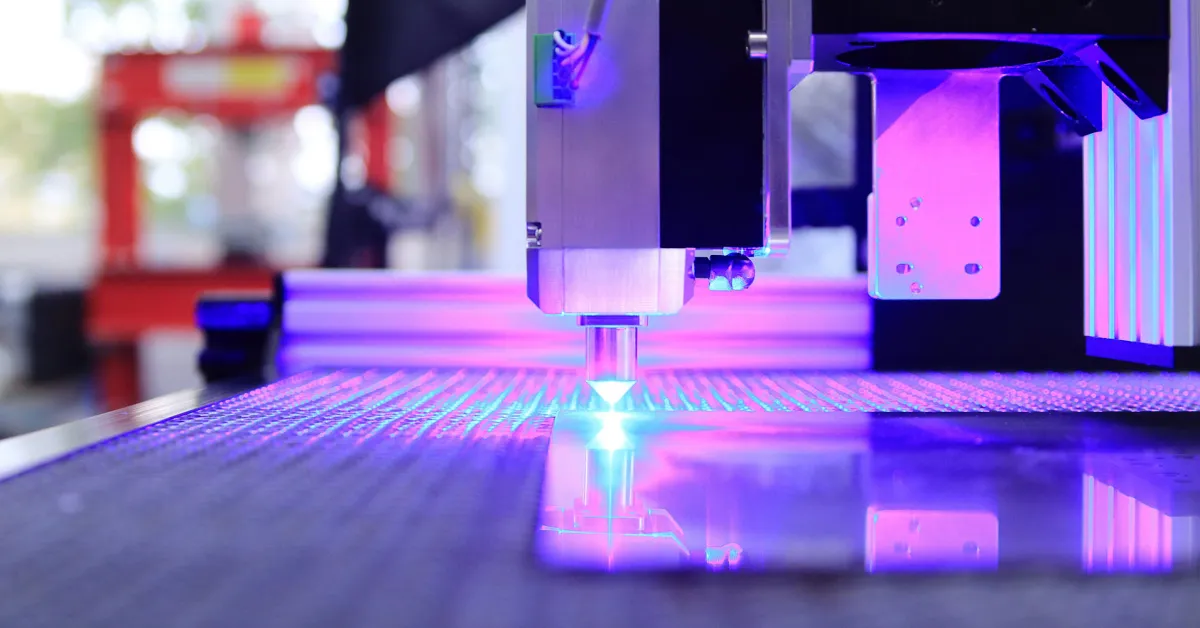
Aluminum 3D printing is a quite challenging process for many reasons. High reflectivity and thermal conductivity make it difficult to shape the material with lasers, and extreme precision is required to prevent the formation of microscopic voids that could reduce the durability of the finished product.
For these reasons, it is typically used in applications such as aerospace and automotive, where weight savings and large material volumes can justify the complexity of the manufacturing process. Successfully applying this to the mass production of small consumer electronics devices would be a significant achievement for Apple.
Gains for Apple and the Environment
Highlighting the environmental features of new products while also saving money in their production represents the biggest win-win situation for Apple’s profit and the environment.
- Official Apple Store on Amazon
- Apple’s iPhone cases: iPhone 17 | iPhone 17 Pro and Pro Max | iPhone Air
- Wireless CarPlay adapter (2026 update)
- AirTag holders and accessories
- Mac Pro-style Mac mini case
- NordVPN – privacy-focused, no-logs, and independently audited VPN
Photo: Opt Lasers, Unsplash




![iPhone 17e: Apple Finally Got the Affordable iPhone Right [Video]](/resimler/iphone-17e-apple-nihayet-uygun-fiyatli-iphoneu-dogru-yapti-video.jpg)




























Comments
(8 Comments)