This story is part of the 9to5Mac series celebrating Apple's 50th anniversary.
Aluminum was once a cheap metal for consumers; it was commonly used in soda cans, kitchen foil, cooking utensils, and window frames. It also lived on as an industrial material used in aviation. It was both a disposable commodity in everyday products and an engineering marvel that took people to the moon.
Of course, that was until Apple decided to make aluminum its signature material. When Steve Jobs introduced the 12" and 17" PowerBook G4 in 2003, aluminum suddenly became a consumer luxury. The following 23 years were filled with ultra-premium aluminum devices that completely changed our lifestyle.
In 2001, Apple had turned to titanium as its new signature material after the colorful plastic era. When Steve Jobs introduced the PowerBook G4 Titanium, there were some issues with this material; particularly the painted surface that peeled over time. At that time, no other product was made with titanium. Just two years later, when Steve introduced the 12" and 17" PowerBook G4 models, he had taken a completely different path. He said:
We produced this from a new material. After researching everything, the best material for this was aerospace-grade aluminum alloy. Beautiful and tough anodized, not painted.
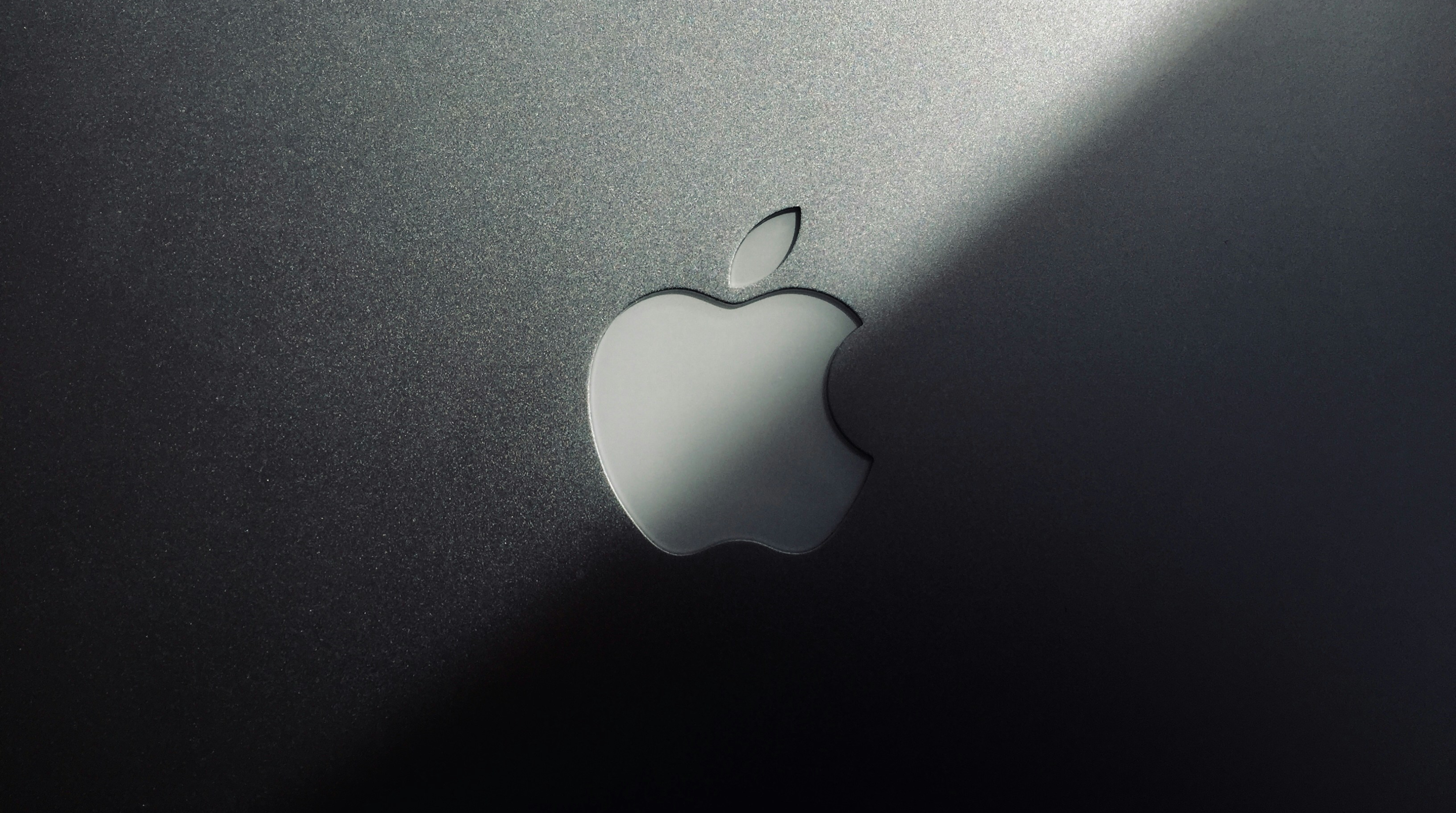
This summarized everything. They could achieve the desired look; a smooth, unpainted, and time-resistant silver surface without needing multi-layered materials. It was lightweight and easy to work with, making it possible to produce a 17" laptop.
Titanium played a central role in the announcement of the first PowerBook G4 in 2001, but aluminum only appeared as a brief slide in the announcement of the updated models. Ironically, aluminum became much more important for Apple's future, even though titanium would later come back into the spotlight.
Apple continued to use aluminum in iPods, displays, iPhones, iPads, and everything in between. When they introduced the first all-aluminum iMac in 2007, Steve said, "we are making our most professional products from aluminum" and emphasized how durable and recyclable the material was. By then, aluminum had largely covered the entire product range. By the end of the year, the iPod Classic would also adopt aluminum.
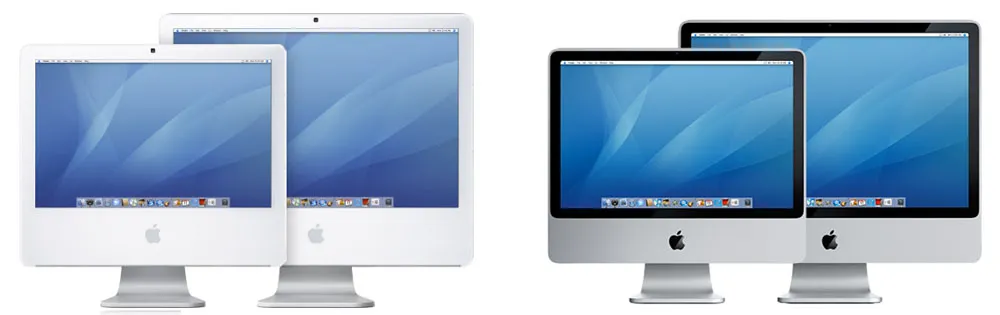
In the fall of 2008, the company held a MacBook event to introduce the iconic unibody. Although the event focused on the construction of the case, none of this would have been possible without aluminum. Only the plastic MacBook, which would be permanently killed in 2011, remained.
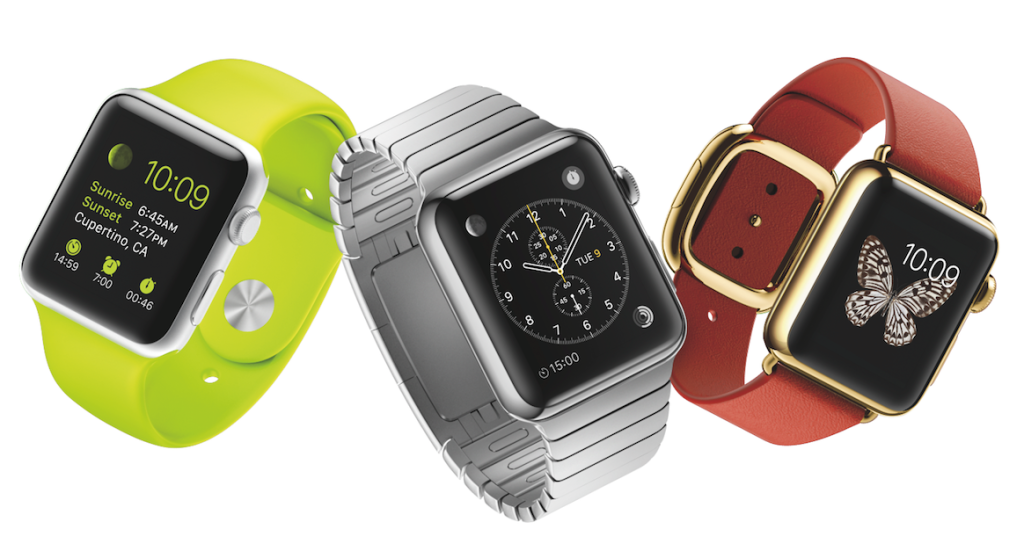
During the launch of the Apple Watch, the company decided to place a serious emphasis on the material. They began referencing specific alloys and reiterated the premium nature of the material. There were multiple reasons for this.
The first was that the Apple Watch was as much a gadget as it was a fashion accessory. At the time, aluminum was not the most common watch material, so Apple had to prove that it was stylish. As the material used for the sport model, its durability and lightness also needed to be highlighted. Jony Ive, narrating a video that showcased the material, stated that aluminum is "naturally strong and lightweight, making it the ideal material for the Apple Watch Sport." They had to market aluminum watches as high-quality compared to much more beautiful stainless steel models. Ive emphasized, "our engineers designed a new alloy," highlighting that it was stronger yet lighter than aluminum from other companies. Aluminum watches were marketed alongside 18K gold models. This was something only Apple could do.
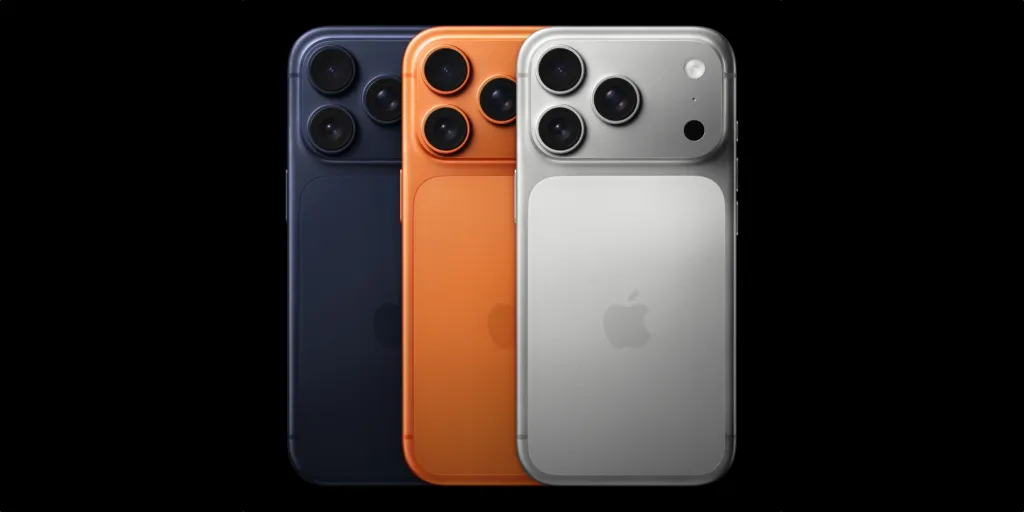
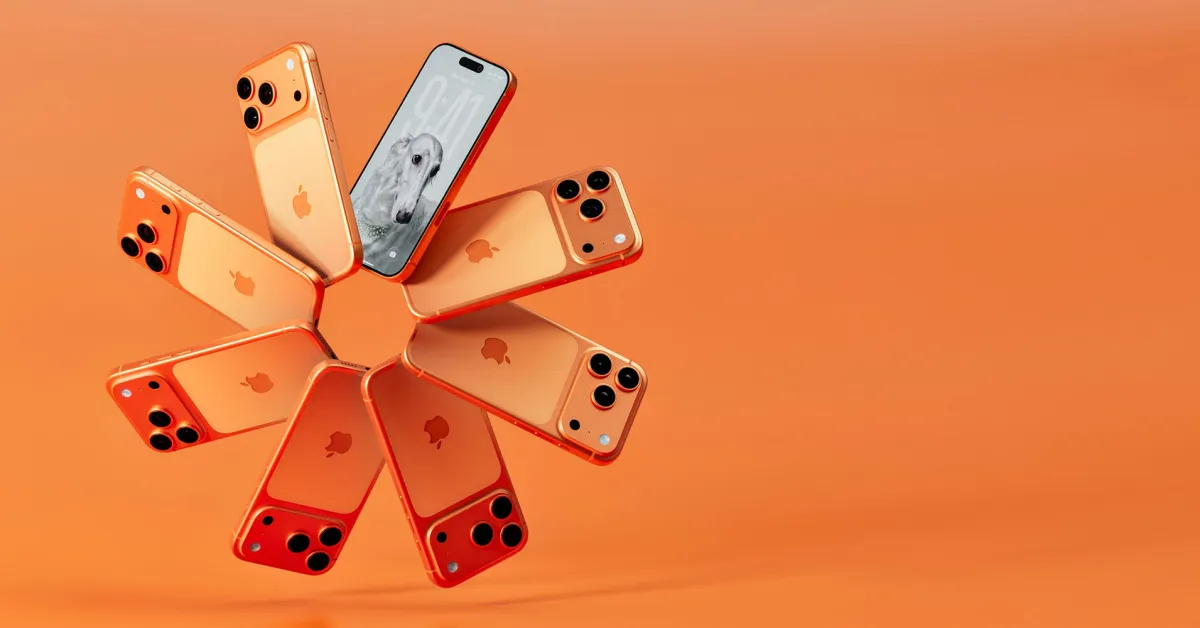
The iPhone 6 and 6 Plus, introduced alongside the first Apple Watch, were made from 6000 series aluminum. However, the company did not talk about this. A year later, they emphasized that the successors, the iPhone 6s and 6s Plus, were made from 7000 series aluminum. The reason was that the new models needed to prove they could not bend like the 6 Plus did in the infamous bendgate scandal. The company returned to emphasizing its aluminum as "aerospace-grade" and continued to do so. The material even returned to Apple's flagship iPhone models; the new unibodies of the iPhone 17 Pro and 17 Pro Max were made with it.
Apple's investment in aluminum 23 years ago has provided benefits not only for the quality of its products but also for the environment. An extremely recyclable material was a topic Apple began discussing with the iMac in 2007 and continued with environmental report cards. Now, Apple products are often made from 100% recycled aluminum. The company has created a self-sustaining supply chain. This was a remarkable move that only someone like Tim Cook could execute; as a necessary operations expert.
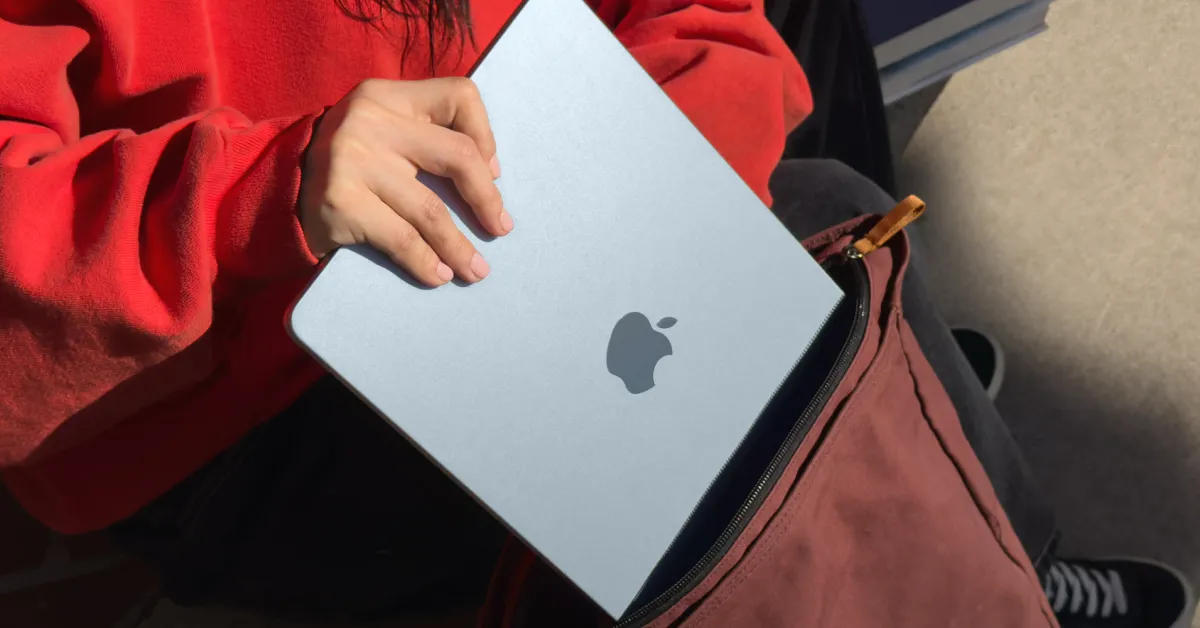
Looking back, what Apple has achieved with aluminum is truly remarkable. The material changed consumer perception, educated the masses about the engineering marvel, and helped improve the environment by being designed for recyclability. I don’t think Steve even realized what he started in 2003. Aluminum is Apple's signature material; whether it’s an Apple product or something else, the bead blasted aluminum look is unique to Apple. It will likely remain so in the near future.

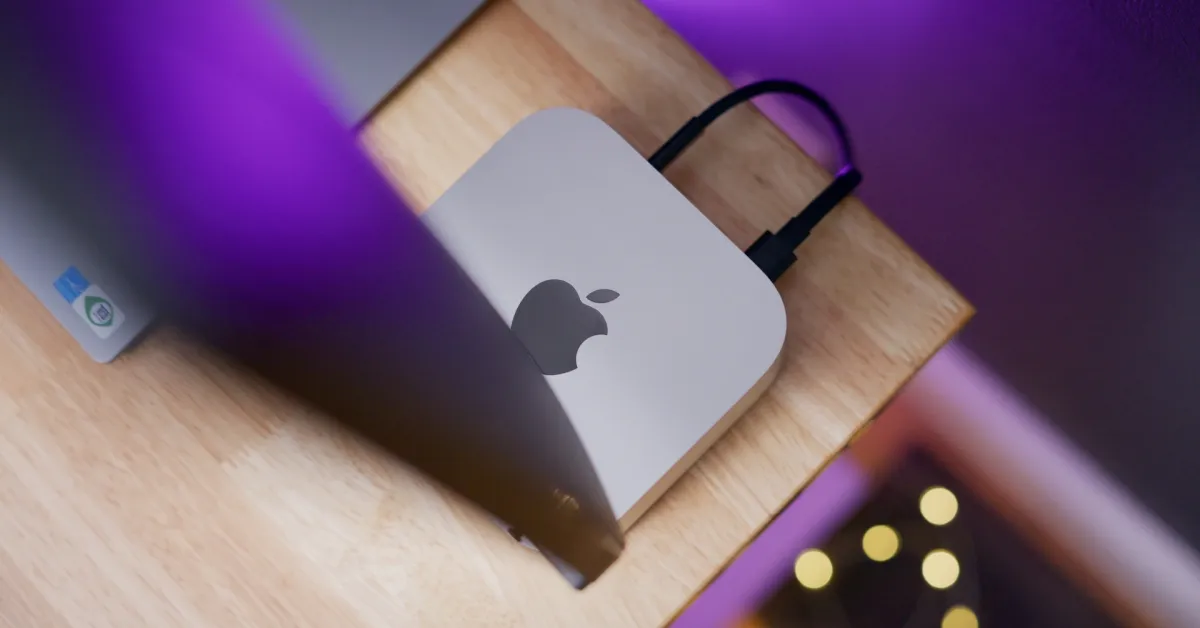
Header image: Tobias Röder via Unsplash




















Comments
(2 Comments)