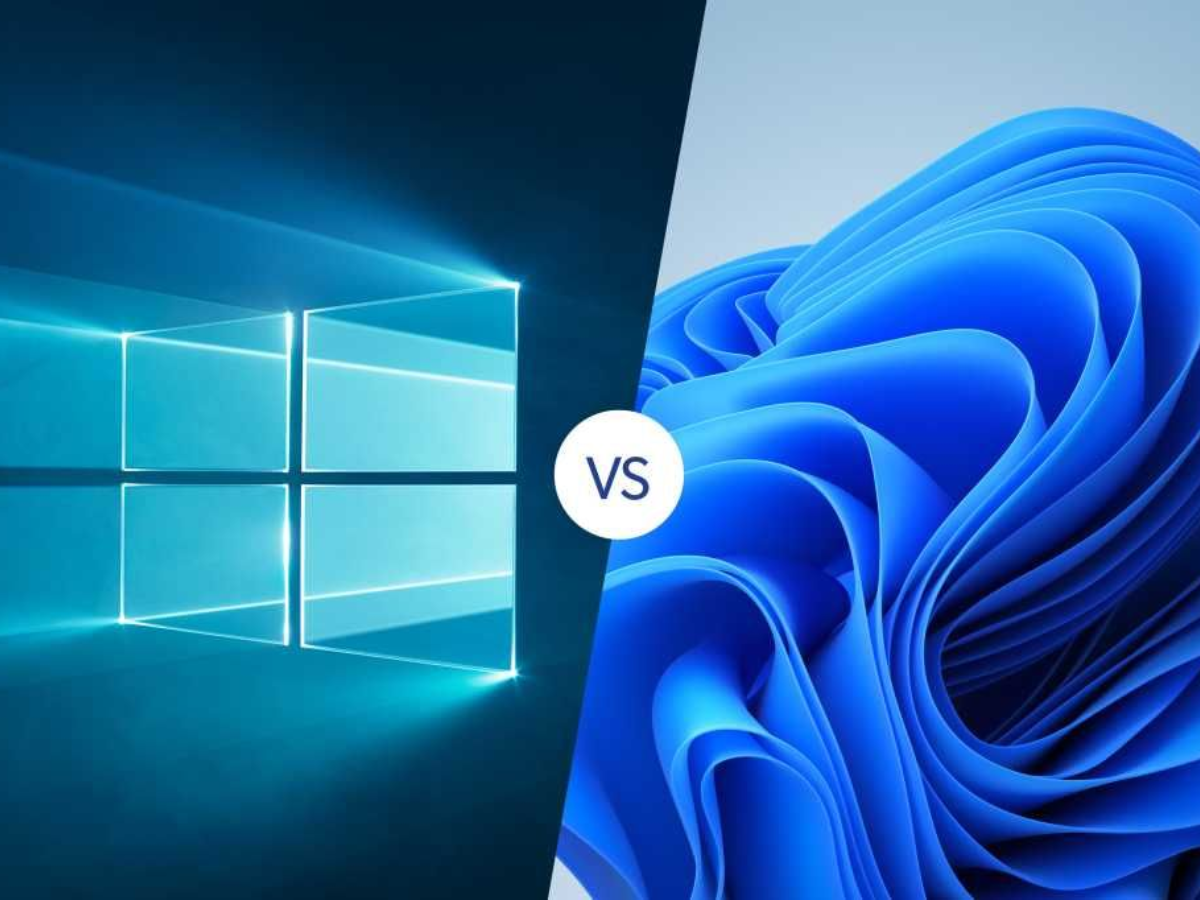
Windows 11 is now running on nearly three-quarters of Windows desktops worldwide, according to the latest StatCounter data. The operating system has reached a market share of 72.78%, while Windows 10 has fallen to 26.27%.
This shift indicates a sharp acceleration compared to the end of 2025; at that time, Windows 11 was adopted by just over 50%, while Windows 10 was still running on nearly half of all Windows PCs.
The Mandatory Windows Upgrade Cycle is More Than Just Excitement
The rapid adoption is not driven solely by excitement for entirely new features. Instead, the transition is largely dependent on the end-of-support timeline for Windows 10 and Microsoft's stricter hardware requirements for Windows 11.
Windows 11 mandates several technical prerequisites, including:
- TPM 2.0
- Secure Boot
- Modern supported CPUs
- UEFI firmware
- Stronger integration with Microsoft accounts and cloud services
These requirements limit upgrade paths for older systems, pushing users to purchase new hardware.
Some Users are Trying to Bypass the Transition to Windows 11
Power users have found documented methods to bypass hardware checks, including registry edits and modified installation media. Some systems without TPM 2.0 or officially supported CPUs are still able to install Windows 11 through unofficial means.
However, Microsoft has continuously restricted these loopholes and warned that unsupported systems may not receive updates or could experience stability issues.
Alternatives for users who do not want to upgrade their hardware are becoming increasingly limited: staying on Windows 10 without security updates after support ends, or switching to a completely different platform. Some users have preferred to replace their old PCs with macOS or Linux systems instead of transitioning to Windows 11.
Windows 11 Security Challenges and BitLocker Issues
Even among supported systems, the transition to Windows 11 has not been smooth.
The operating system relies on a tightly integrated security model with BitLocker, Secure Boot, and Windows Recovery Environment. Recent problematic updates have reportedly triggered unwanted BitLocker recovery prompts on some machines, forcing users to unexpectedly receive their recovery keys.
These incidents have raised concerns among advanced users and businesses, especially when recovery systems do not behave as expected.
The Growth of Windows 11 is Not Just About Voluntary Upgrades
Windows 11 has established a clear numerical dominance on desktops. However, its growth is driven more by the end of support deadlines and the enforcement of hardware policies, not just voluntary upgrades.
Whether Microsoft can enhance reliability while enforcing stricter security standards and maintain user trust will determine if Windows 11 will be seen as a secure foundation for the next decade or a turning point that drives some users to explore alternatives.











Comments
(6 Comments)