
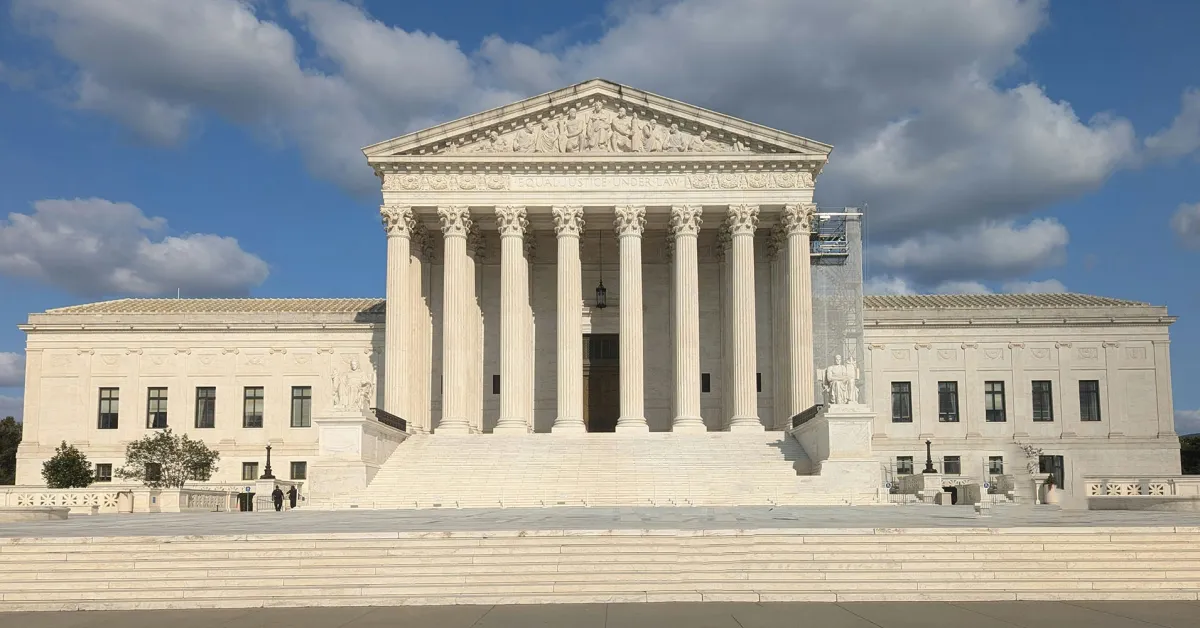
Epic Games convinced the U.S. Ninth Circuit Court of Appeals to withdraw its decision temporarily halting the enforcement of a ruling that required Apple to loosen certain App Store rules while seeking a review by the Supreme Court. Here are the details.
We Continue from Where We Started
Earlier this month, the U.S. Ninth Circuit Court of Appeals granted Apple’s request to stay the enforcement of the recent ruling requiring Apple to loosen certain App Store rules regarding alternative payment methods.
Following the court's decision, Epic filed two motions. The first claimed that Epic did not have enough time to prepare a response to Apple’s stay request, while the second asked the court to deny Apple’s original stay request.
At that time, Epic stated that Apple’s stay request was a "tactic to delay the court in order to limit its authority to charge unnecessary fees on third-party payments."
This prompted a response from Apple, which argued that there was no reason to revisit the stay decision and that maintaining it would avoid unnecessary lower court proceedings.
Epic, however, pointed out that Apple had not demonstrated a genuine need for a stay, adding that the Supreme Court appeal would not eliminate the need for further proceedings in the lower court and that both processes could proceed simultaneously.
Here we are today.
Court Lifted the Stay
This evening, the U.S. Ninth Circuit Court of Appeals accepted Epic's request for reconsideration, thereby reversing its previous stay decision.
The court noted in its ruling that it was influenced by Epic's arguments that Apple had not shown that the Supreme Court would take up the case or overturn the decision, and also considered the argument that "Apple did not provide a good reason to maintain our previous stay decision."
From the ruling:
Apple has not demonstrated that any actions related to remand would cause irreparable harm if our decision is not stayed. Instead, Apple argues that the remand actions regarding the commission question would be "premature." Even if the Supreme Court agrees with Apple’s arguments, there will still need to be further proceedings regarding remand, and those proceedings will appear similar or identical regardless of certiorari.
Therefore, we have determined that Apple has failed to meet the requirements of Federal Appellate Procedure Rule 41(d).
The document explains, "Federal Appellate Procedure Rule 41(d) requires a party requesting a stay to demonstrate that its certiorari petition presents a significant question and that there is good cause for the stay."
You can read the full document below:
9th-circ-dkt1-921-order-granting-motion-for-reconsideration-of-stay-efb8178a1d14DownloadFollowing the ruling, Epic Games claimed on the X platform that "Apple's imposition of unnecessary fees on purchases made outside of its app store harms consumers and developers and violates the law." Epic Games CEO Tim Sweeney added:
Apple's delaying tactics are over! Now Epic v Apple is back before Judge Gonzales Rogers to determine how much Apple can charge for reviewing apps using competing payment methods. https://t.co/eukYzpu0dY
— Tim Sweeney (@TimSweeneyEpic) April 29, 2026
We reached out to Apple and will update this article if we receive a response.






































Comments
(1 Comment)